

πŸŽ‰ National Days Library Books β€’ Writing β€’ Family Fun Explore all days β†’

Bill of Rights Day

Learning Adventure

Celebrate the American freedoms and protections guaranteed by the first ten amendments.

Curated by Laela
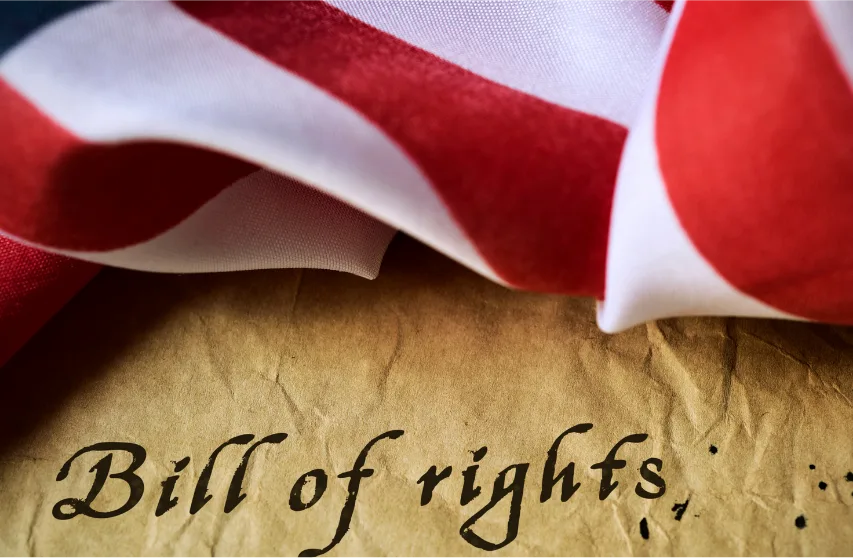
part of the United States flag against an old parchment paper that reads Bill of Rights
Know Your Rights!
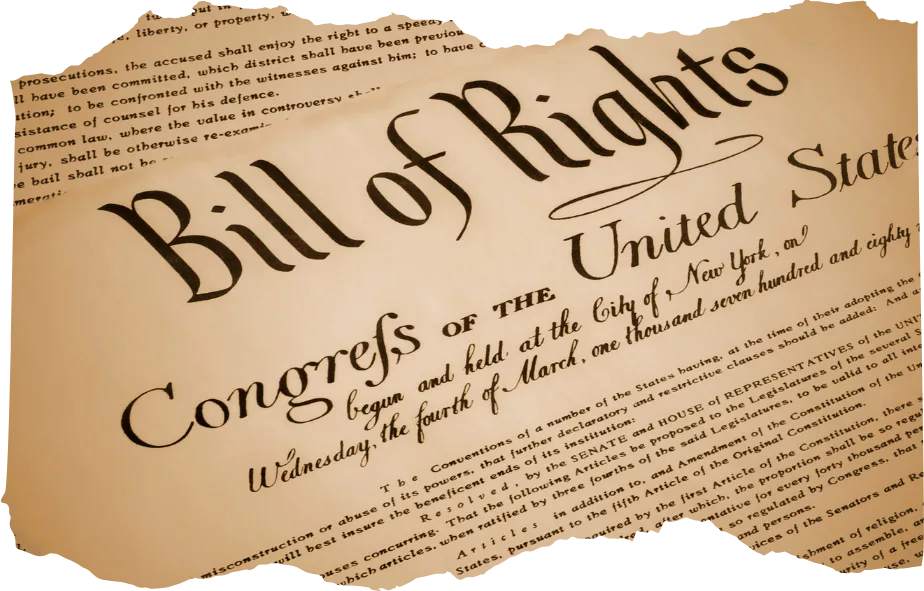
πŸ“Œ Quick FactsπŸ“… December 15πŸ‡ΊπŸ‡Έ Celebrated in the US That β€œf” is actually a historical letterform called a long s!
❀️ Why We Celebrate

Bill of Rights Day marks December 15, 1791, when ten amendments to the U.S. Constitution were ratified and became what we now call the Bill of Rights. These amendments protect important liberties and establish limits on the power of the federal government. Today is a chance to look beyond the famous phrase freedom of speech and discover what those ten amendments actually say, why they were added, and how they continue to matter.

πŸ’‘ Did You Know?

James Madison once thought a bill of rights was unnecessary, but he later introduced the amendments that became the Bill of Rights!

✨ Adventure Highlights
✏️ Paraphrasing πŸ“œ Why the Bill of Rights Was Added πŸ”Ÿ The Missing Two Amendments πŸ›οΈ The Original Bill of Rights
ο»Ώ
1

Read

πŸ“–

The Bill of Rights

by Syl Sobel, J.D.

The Bill of Rights by Syl Sobel, J.D., gives young readers a clear, straightforward introduction to the first ten amendments and why they matter.

One of the reasons this book works so well for a family civics lesson is its clear, even-handed approach. Sobel explains the amendments and their purpose without making the book feel politically slanted, leaving plenty of room for families to read, discuss, and think for themselves.

It also gives children enough background to move beyond simply memorizing the amendments and begin asking the more interesting question: Why might this right matter in everyday life?
πŸ“– View Book
2

Write

✏️
The Bill of Rights was written more than 200 years ago, and some of its language can sound unfamiliar today.Choose one of the first ten amendments. Read the original wording carefully, then rewrite it in clear, modern language that a child your age could understand.Your challenge is to make the amendment easier to understand without changing what it means.

Start by asking:

  • Which words or phrases sound old-fashioned or complicated?
  • What is this amendment protecting or preventing?
  • Can you explain that same idea using simpler words?
  • Did you accidentally add an opinion or leave out an important part?

You might begin with:

In other words, this amendment says…

Then compare your version with a kid-friendly explanation. How close did you come?

3

Play

πŸŽ‰

Learn the Bill of Rights Hand Game

Can you remember all ten amendments using only your hands?

Watch the Bill of Rights Finger Hand Game and learn a simple hand motion for each of the first ten amendments. Practice them together a few times, then see who can make it all the way from 1 to 10 without a hint.

Once you’ve got the motions down, mix things up. Call out an amendment number at random and see who can make the correct motion and explain the main idea behind it.

Family Challenge: Can someone name all ten amendments just by watching another family member make the motions?

πŸ’œ Resources We Love Β· Some links are affiliate links that support DUYW at no extra cost to you.
🌎 Keep Exploring

Every adventure has another path to follow. Choose a trail and see where your curiosity leads!

History Trail: Why Add a Bill of Rights?

When the Constitution was being debated, many Americans worried that the new federal government needed clearer limits. Several states wanted specific protections for individual liberties added to the Constitution. Explore how the Bill of Rights came to be at the National Archives.

Wonder Challenge: What concerns did people have about approving a Constitution without a bill of rights?

Civics Trail: Twelve Became Ten

Congress originally proposed twelve amendments, not ten. One of the other two eventually became the 27th Amendment more than 200 years later!

Wonder Challenge: Find the amendment that finally became part of the Constitution in 1992. What does it concern, and how long did it wait?

Museum Trail: See the Original

The document Congress approved in 1789 is still preserved and displayed at the National Archives. Take a closer look at the original Bill of Rights.

Wonder Challenge: Examine the document closely. What do you notice about its lettering, capitalization, layout, or appearance that differs from documents you see today?

Would you rather...

OR

Print & Plan

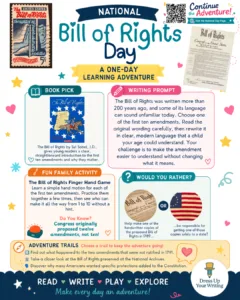
Printable Lesson Snapshot

Keep today’s book pick, writing prompt, family activity, and discussion ideas together in one colorful overview.

View & Print This Adventure Perfect for homeschool or classroom planning.

Keep Exploring