


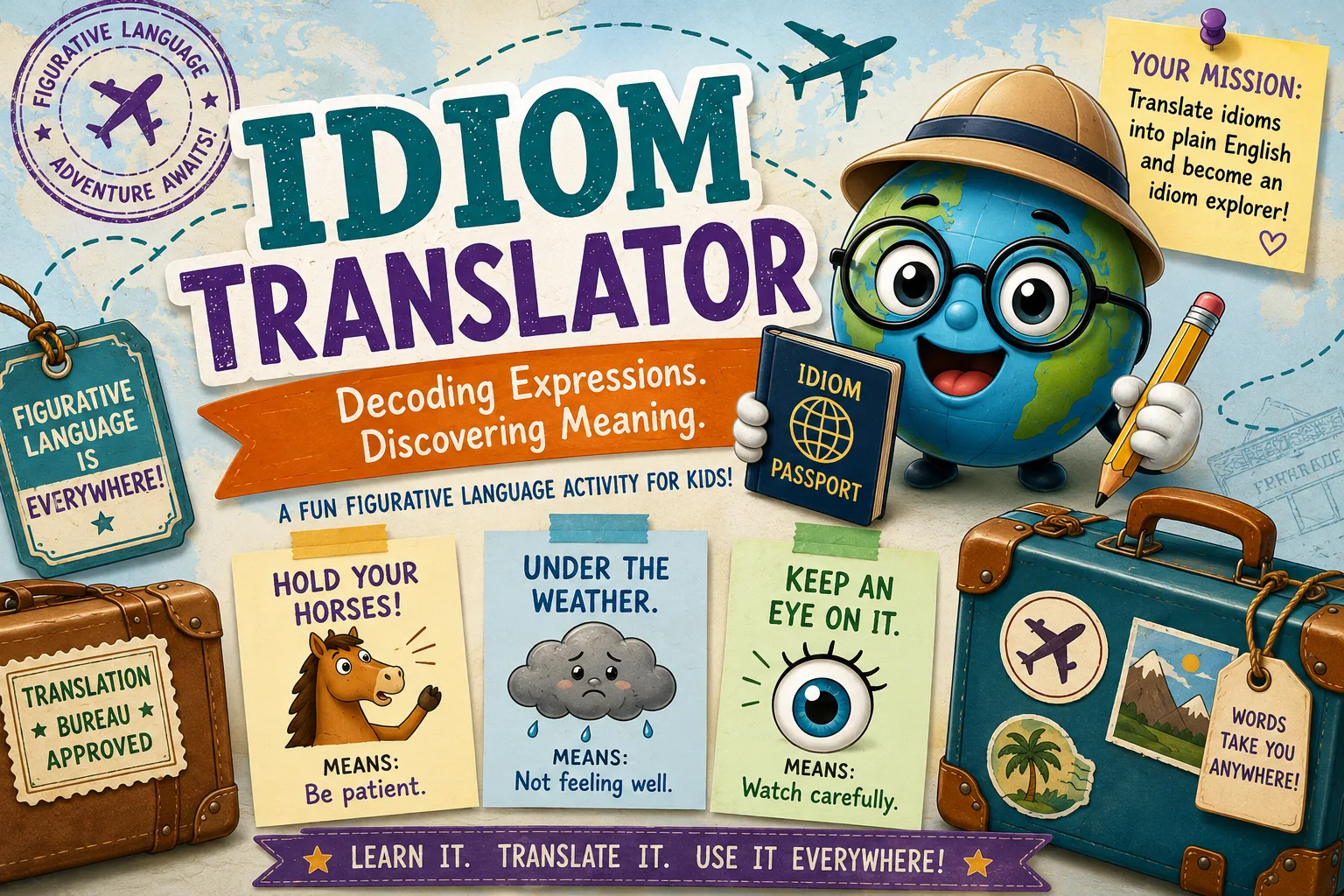
Idiom Translator: A Fun Idiom Activity for Kids
Have you ever heard someone say “Hold your horses!” or “Break a leg!” and wondered what on earth they were talking about?
If so, you’re not alone.
In fact, if you’ve ever read Amelia Bedelia, you’ve already met what might be the unofficial mascot of idioms. Amelia’s habit of taking expressions literally has entertained generations of readers and perfectly illustrates why figurative language can be so confusing for kids.
When someone says, “Hold your horses,” they usually aren’t talking about horses at all!
That’s where the Idiom Translator Activity Bundle comes in. This fun travel-themed printable helps young writers decode common expressions, understand what they really mean, and discover just how colorful the English language can be.
🌎 What Is an Idiom?
An idiom is a phrase whose meaning is different from the literal meaning of the words.
For example:
🦵 Break a leg doesn’t mean someone should actually break their leg.
It means:
⭐ Good luck!
Here are a few more common idioms:
| Idiom | What It Really Means |
|---|---|
| Hold your horses | Be patient |
| Piece of cake | Easy |
| Under the weather | Not feeling well |
| Spill the beans | Tell a secret |
| Keep an eye on it | Watch carefully |
Idioms make language colorful, expressive, and fun, but they can also be confusing for young readers who take everything literally.
✈️ Welcome to the Translation Bureau
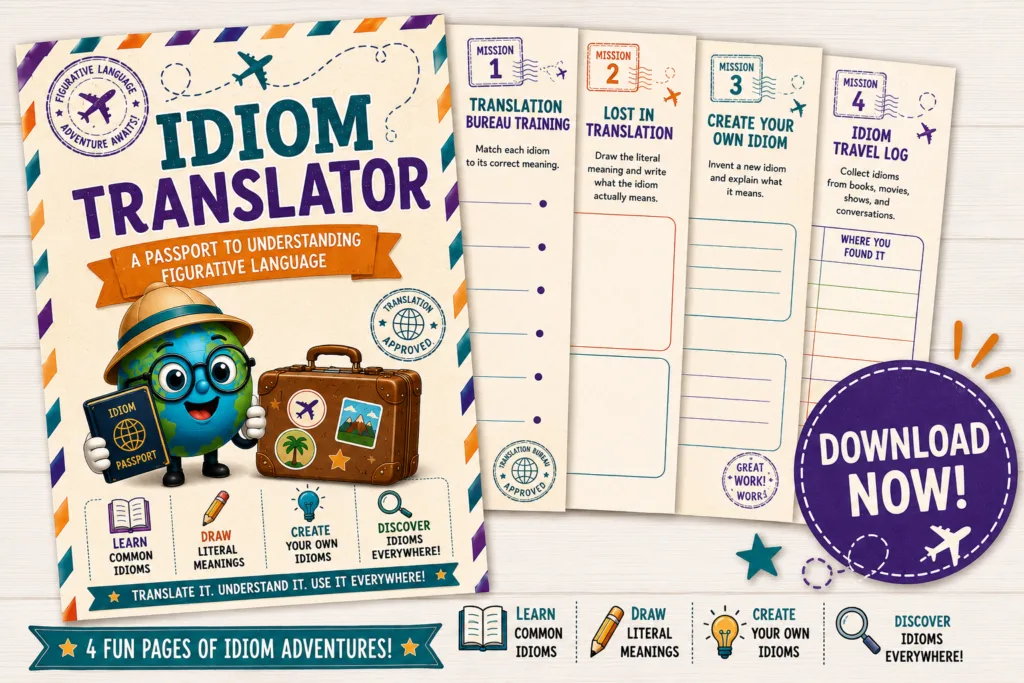
In this activity, students become official members of the Figurative Language Translation Bureau.
Their mission?
To translate confusing idioms into plain English.
Along the way they’ll:
✅ Match idioms to their meanings
✅ Decode figurative language
✅ Draw hilarious literal interpretations
✅ Create their own original idioms
✅ Collect idioms from books, movies, shows, and conversations
🧳 What’s Included?
Mission 1: Translation Bureau Training
Students complete their first translator assignment by matching idioms with their meanings.
This introductory activity helps them learn common expressions while building confidence.
🌦️ Mission 2: Lost in Translation
What would happen if someone literally held their horses?
What if a giant eye had to keep watch over something?
Students draw the literal meanings of idioms and compare them with the actual definitions.
This page always leads to laughter and memorable discussions.
✏️ Bonus Mission: Create Your Own Idiom
Now it’s time to become a language inventor.
Students create their own silly idioms and explain what they mean.
Examples might include:
🥞 “Don’t lose your waffles.”
Meaning:
Stay calm.
or
🧦 “Keep your socks on.”
Meaning:
Be patient.
🌍 My Idiom Travel Log
One of our favorite pages in the bundle!
Students collect idioms they discover in:
📚 Books
🎬 Movies
📺 TV Shows
💬 Conversations
As they fill their travel log, they begin noticing figurative language everywhere.
📖 Books That Pair Well With This Activity
Looking for more idiom adventures? These books pair wonderfully with the Idiom Translator Activity Bundle and can help students fill their Idiom Travel Logs with expressions they discover while reading. 🌎📚
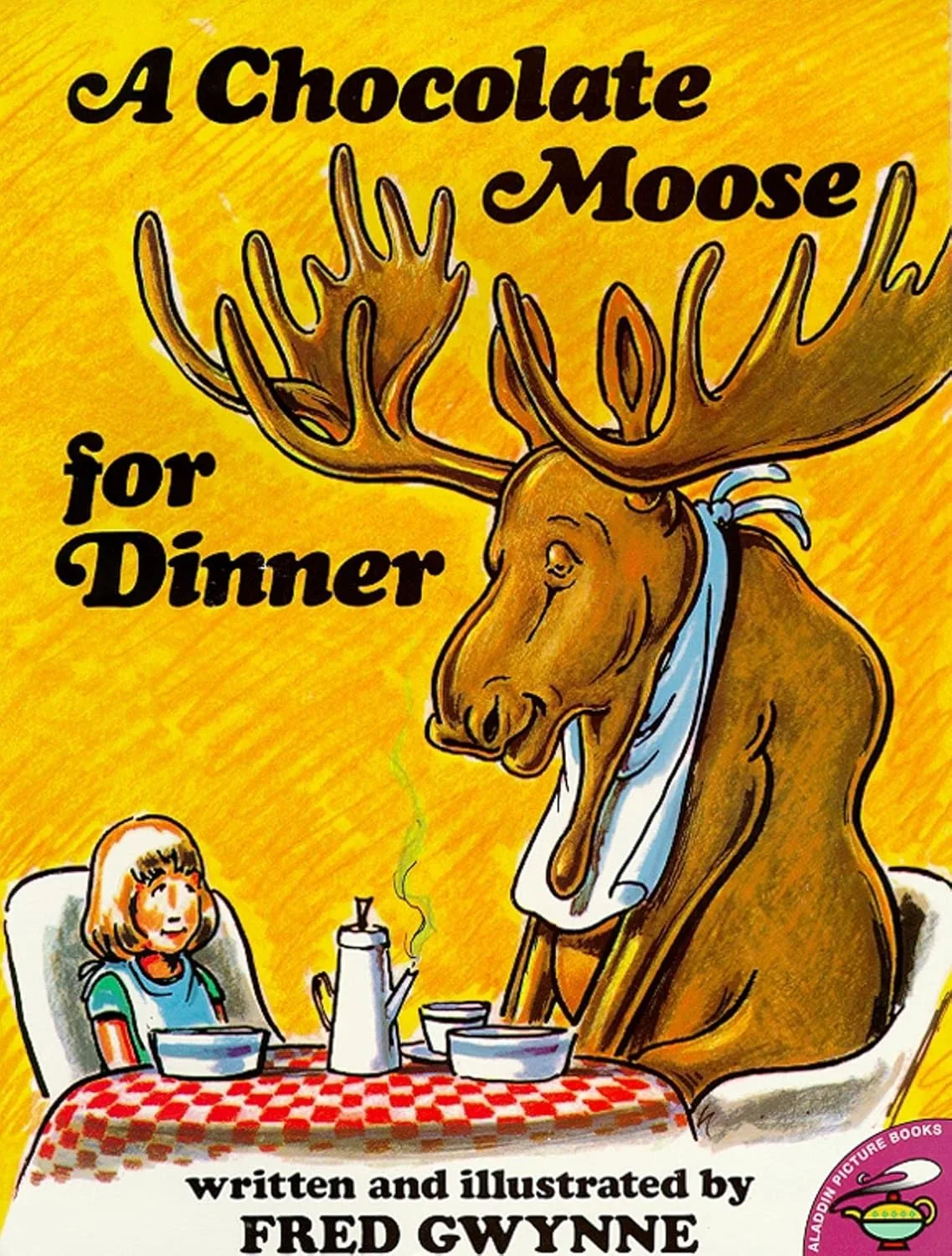
📚 A Chocolate Moose for Dinner by Fred Gwynne
What would happen if someone served a giant moose for dinner instead of chocolate mousse?
This hilarious picture book brings common idioms and homophones to life through playful illustrations that show exactly what the words sound like when taken literally. Kids love spotting the misunderstandings and figuring out what the phrases actually mean.
Perfect for: Ages 6–10, introducing idioms, exploring wordplay, and encouraging laughter-filled language lessons.
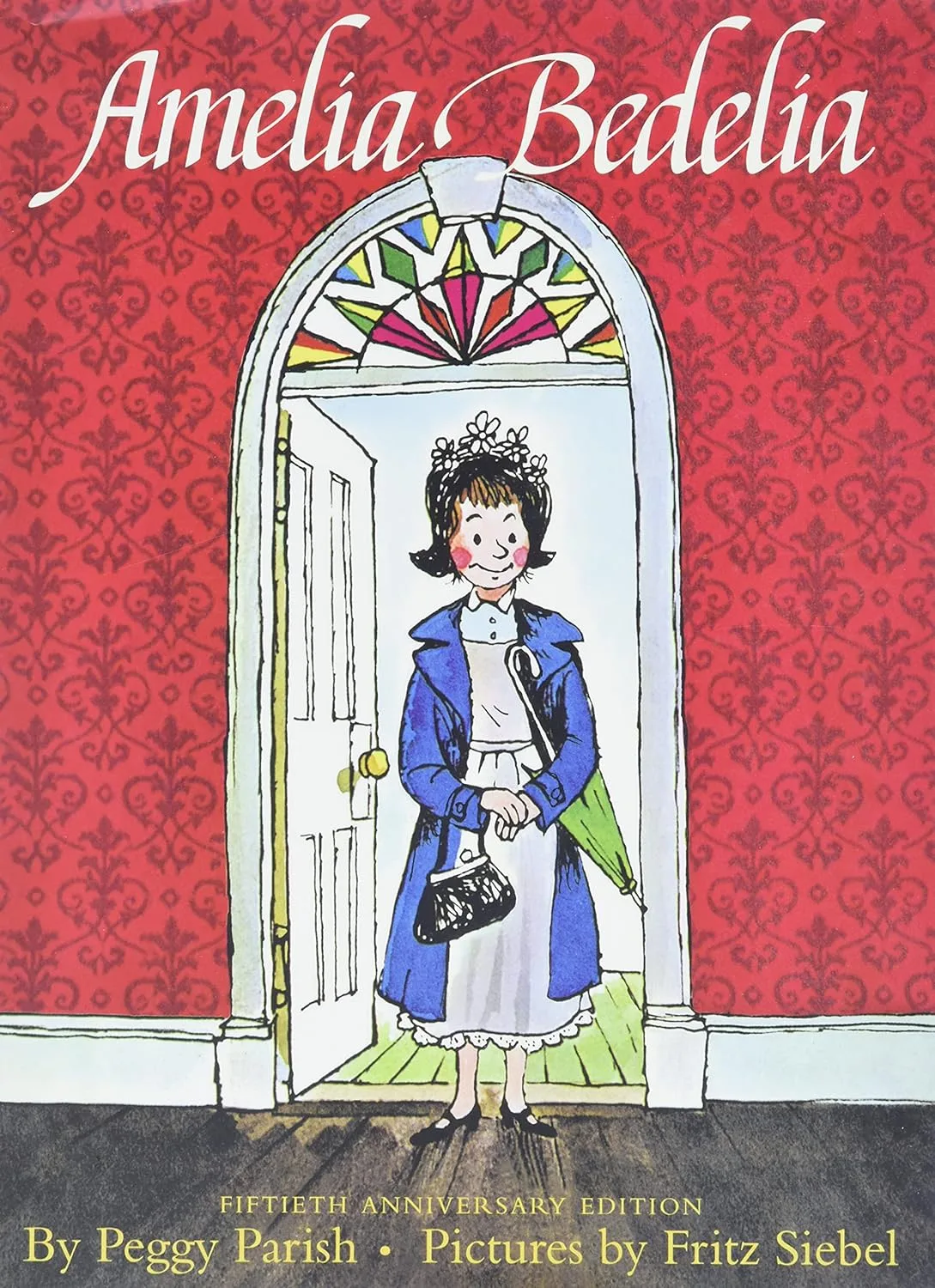
📚 Amelia Bedelia by Peggy Parish
If you’ve ever wondered why idioms can be confusing for kids, Amelia Bedelia demonstrates it perfectly.
Amelia takes every instruction literally, creating one funny misunderstanding after another. Her adventures naturally spark conversations about figurative language and help students understand why expressions don’t always mean exactly what they say.
Perfect for: Ages 5–9, read-alouds, introducing idioms, and family discussions about language.
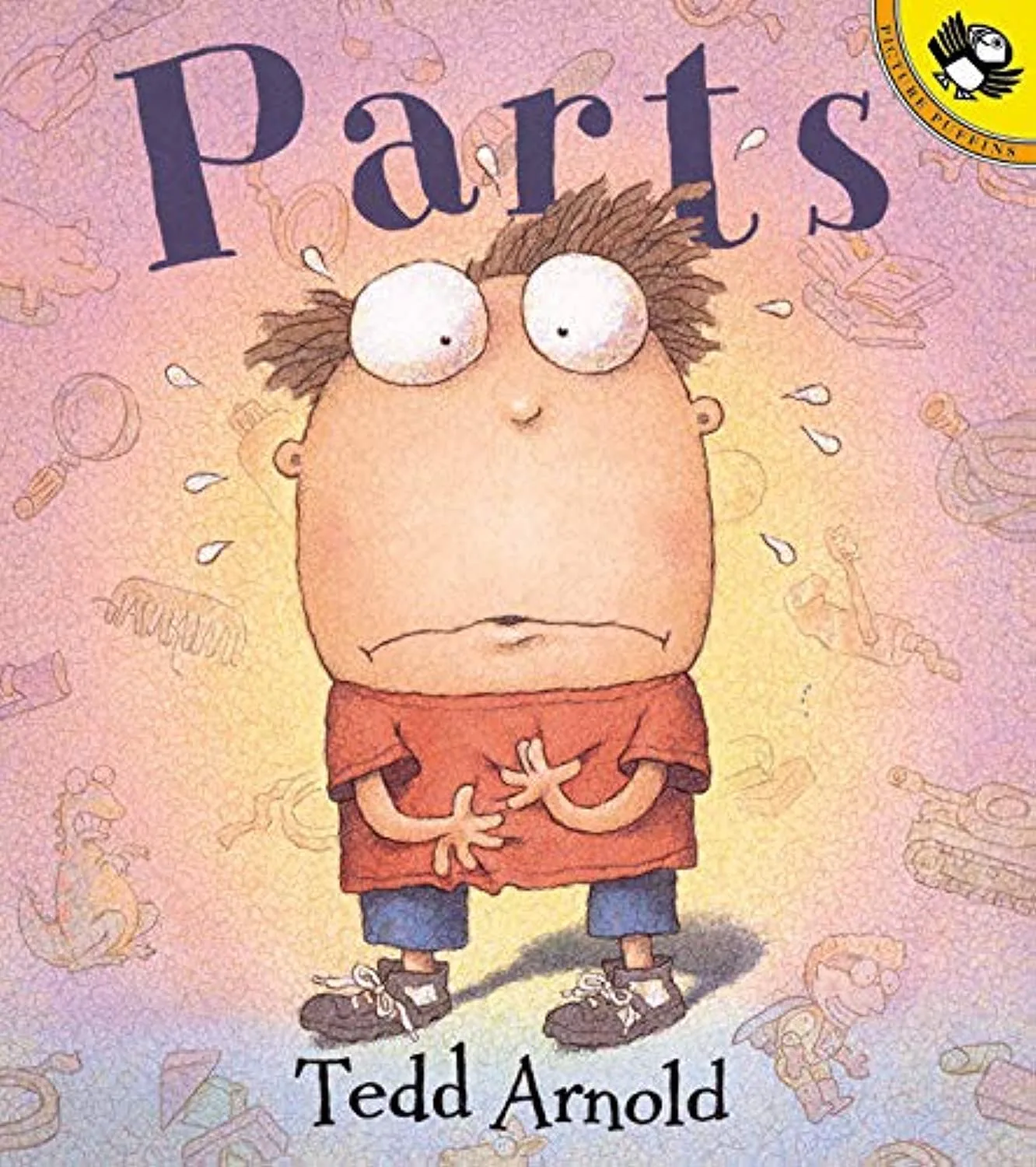
📚 Parts by Tedd Arnold
Have you ever worried that your body parts might be falling off? That’s exactly what happens when a young boy misunderstands everyday expressions.
Through humorous illustrations and clever wordplay, this beloved picture book shows how confusing figurative language can be when taken literally. It provides a wonderful opportunity to discuss idioms, exaggeration, and the importance of context.
Perfect for: Ages 5–9, read-alouds, introducing figurative language, and helping kids understand literal versus nonliteral meanings.
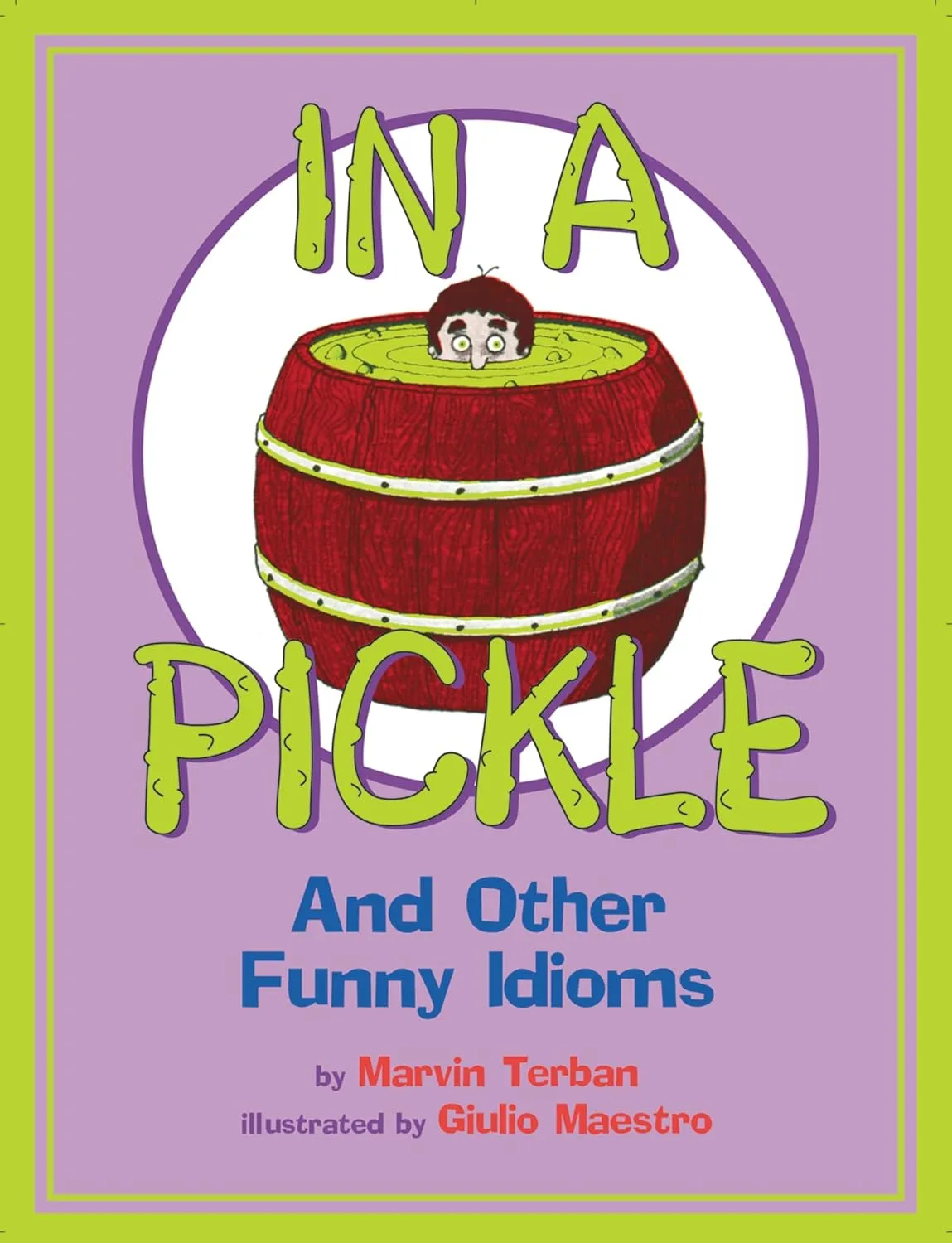
📚 In a Pickle by Marvin Terban
If you’ve ever wondered why idioms can be confusing for kids, Amelia Bedelia demonstrates it perfectly.
Amelia takes every instruction literally, creating one funny misunderstanding after another. Her adventures naturally spark conversations about figurative language and help students understand why expressions don’t always mean exactly what they say.
Perfect for: Ages 7–12, independent readers, idiom study, vocabulary enrichment, and building confidence with figurative language.
- Our list of 10 Fun Figurative Language Books for Kids
- Our list of 10 Books That Teach Personification
These books provide wonderful examples of colorful language in action.
🎭 Explore More Figurative Language Activities
If your students enjoy the Idiom Translator, they may also love:
Together, these activities help students understand how writers use language creatively.
🛂 Download the Idiom Translator Activity Bundle
Ready to begin your journey?
Grab your passport and start translating!
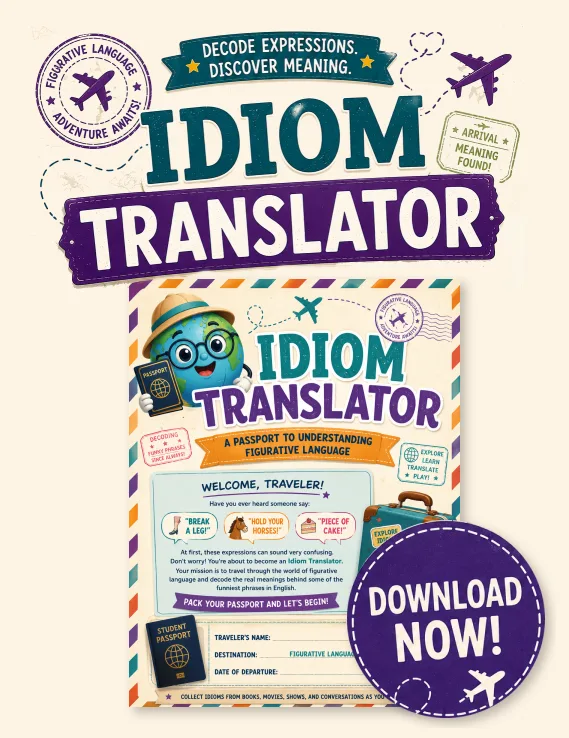
The Idiom Translator Activity Bundle is a fun, low-prep way to help students understand idioms while building stronger reading and writing skills.
Happy travels, Idiom Explorer! 🌎✈️