



πŸŽ‰ National Days Library Books β€’ Writing β€’ Family Fun Explore all days β†’

National

Letter Writing Day

Learning Adventure

Celebrate real mail, thoughtful words, and the places a simple letter can take you.

Curated by Laela
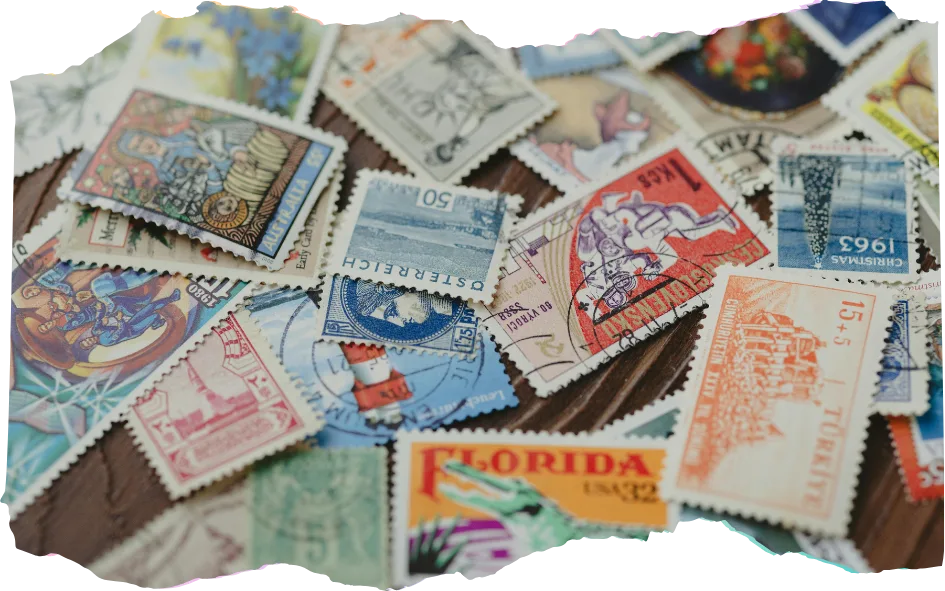
colorful vintage postage stamps collection
Put It in Writing!
πŸ“Œ Quick FactsπŸ“… December 7πŸ‡ΊπŸ‡Έ Celebrated in the US πŸ₯” You can mail a potato!
❀️ Why We Celebrate

Before a message could arrive in seconds, letters carried news, questions, stories, hopes, and everyday moments across towns, states, and oceans. There is something wonderfully different about holding a message someone took the time to write, fold, stamp, and send just for you. National Letter Writing Day is a chance to rediscover that slower kind of connection. Today, we’re putting a real letter into the mail and sending our curiosity to another state, then waiting to see what might find their way back to our mailbox.

πŸ’‘ Did You Know?

To save expensive paper and sometimes postage, people once used cross-writing, filling a page normally and then turning it sideways to write across the first layer of words. It saved space, but it certainly did not make the letter easy to read!

✨ Adventure Highlights
✏️ Audience & Purpose 🎨 Stamp Art & Collecting πŸ” Wax Seals & Signet Rings πŸ“¬ ZIP Codes & Mail Routes

ο»Ώ
1

Read

πŸ“–

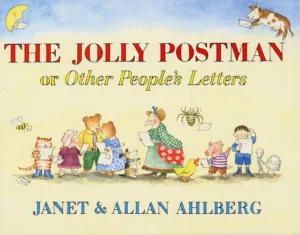
The Jolly Postman or Other People’s Letters

by Allan Ahlberg

Follow the Jolly Postman as he delivers letters, postcards, and other surprising pieces of mail to familiar fairy-tale characters. The removable messages make this book especially fun to explore while showing how the audience and purpose of a letter can change the way it is written.

As you read, notice who is writing, who will receive the message, and how each piece of mail sounds a little different depending on the situation.
πŸ“– View Book
2

Write

✏️
Send Your Curiosity Across the Map

Choose one U.S. state you would like to learn more about and find its official state tourism office.

Write a short letter introducing yourself and explaining that you are learning about the United States. Ask whether they can send you a visitor guide, state map, brochure, or other information that could help you discover more about their state.

Then add one question you genuinely want answered.

For example:

  • What place do you think every first-time visitor should see?
  • What food is your state especially known for?
  • Which natural landmark would you most recommend?

If your family enjoys the project, you could eventually write to more states and build your own 50-State Mail Collection.

Need a Little Inspiration?

Before you begin, think about your audience. You are not texting a friend. You are writing to someone whose job is to help visitors discover their state.

Your letter might begin:

Dear [State] Tourism Office,

Then introduce yourself, explain why you are writing, politely make your request, and close by thanking them for their help.

A simple structure could be:

Hello β†’ Why I’m writing β†’ What I’m requesting β†’ One question β†’ Thank you β†’ Signature

3

Play

πŸŽ‰
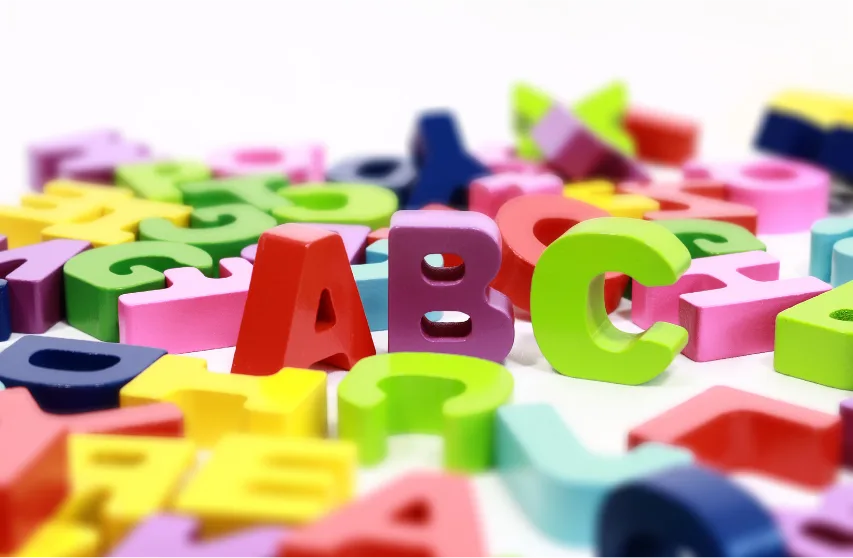
Brightly colored alphabet shaped blocks

Play GHOST

Today’s family activity uses a different kind of letter! Put away the envelopes for a few minutes and see how long you can keep a word going in the classic spelling game GHOST.

Take turns adding one letter at a time to the beginning of a word. You want to keep the word growing without being the player who completes it.

For example:

R β†’ E β†’ S β†’ T

The player who adds T completes the word rest and loses the round.

There’s one important rule: every letter you add must still be part of a real word you have in mind. If another player thinks you’re bluffing, they can challenge you. If you can name a word that begins with those letters, you’re safe. If you can’t, you lose the round.

Each time a player loses a round, they earn the next letter in G-H-O-S-T. The first player to spell GHOST is out.

Family Tip: Agree on a minimum word length before you begin. Four letters works well and keeps tiny words from ending the round too quickly.

πŸ’œ Resources We Love Β· Some links are affiliate links that support DUYW at no extra cost to you.
🌎 Adventure Trails

Every adventure has another path to follow. Choose a trail and see where your curiosity leads!

Art Trail: Tiny Works of Art

We stick stamps on envelopes all the time, but how often do we really stop to look at them? These tiny pieces of art can take two years or more to design, with artists and designers working to tell a whole story in just a few square inches. U.S. stamps have featured everything from Elvis Presley and Bugs Bunny to undersea creatures, flowers, famous paintings, historic moments, athletes, inventions, and space exploration. Some people even collect stamps for their artwork, history, printing quirks, or rarity. One famous example, the 1856 British Guiana One-Cent Magenta, sold for $9.48 million! And here’s the wildest part: it was discovered by a 12-year-old boy!

Wonder Challenge:
Would you enjoy collecting stamps? Would you focus on a favorite theme, such as animals, space, or art, or try to collect stamps from countries around the world?

History Trail: Sealed with a Symbol

Long before adhesive envelopes, a seal could help identify who sent a message and show whether it had been opened. Signet rings were engraved with names or symbols and pressed into wax or clay. One surviving gold ring bears the throne name of Tutankhamun and shows signs of being used as an actual seal. Centuries later, the United States created its own Great Seal, with an eagle, shield, stars, olive branch, and arrows packed with symbolism.

Wonder Challenge:
Look closely at Tutankhamun’s signet ring and the Great Seal of the United States. What symbols can you find, and what do you think each one was meant to communicate?

Technology Trail: Crack the ZIP Code

ZIP Codes were introduced in 1963 to help move growing amounts of mail more efficiently. The five numbers are not random: the first digit identifies a broad region of the United States, while the remaining numbers narrow the destination to smaller sorting areas and post offices.

Wonder Challenge:
Compare your ZIP Code with the ZIP Code of the tourism office receiving your letter. What do the first digits tell you about where each location is in the United States?

Would you rather...

OR

Print & Plan

Printable Lesson Snapshot

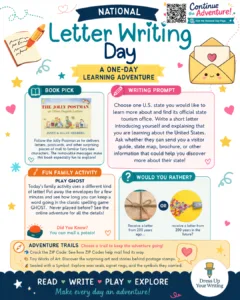
Keep today’s book pick, writing prompt, family activity, and discussion ideas together in one colorful overview.

View & Print This Adventure Perfect for homeschool or classroom planning.

πŸ“œShare Your Spark!

Today’s conversation: Did you try the 50-State Mail Adventure? Tell us which state you wrote to and what arrived in your mailbox!

πŸ’¬οΈ
Family Friendly

Every comment is reviewed before it's published.

β™₯

Be kind. Be helpful.
Be inspiring! πŸ’›

Add Your Spark

Your comment will appear after it has been reviewed.

πŸ’› Be the first to share your spark!

Keep Exploring