



What Is Figurative Language?
A complete guide for kids
Figurative language helps writers create vivid pictures, express emotions, and make ideas more memorable. Let’s explore similes, metaphors, personification, hyperbole, idioms, poetry, and wordplay!
🎭 Similes
📖 What Is a Simile?
A simile compares two unlike things using the words like or as.
💡 Examples
- As busy as a bee
- As quiet as a mouse
- The clouds looked like cotton candy.
- Her smile was as bright as the sun.
🎲 Try It!
Simile Monsters helps kids create silly similes and practice descriptive writing.
Explore Simile Monsters →
🎭 Metaphors
📖 What Is a Metaphor?
A metaphor compares two things without using like or as.
💡 Examples
- My backpack is a black hole.
- The classroom was a zoo.
- Time is a thief.
- Her voice was music to my ears.

🎲 Try It!
All About Me in Metaphors helps students explore themselves through creative comparisons.
Explore the Activity →
📚 Read It!
Look for books and poems with vivid comparisons and creative imagery.
Explore Book Ideas →🎭 Personification
📖 What Is Personification?
Personification gives human qualities to animals, objects, or ideas.
💡 Examples
- The wind whispered through the trees.
- The sun smiled down on us.
- The leaves danced across the sidewalk.
- The alarm clock shouted at me to wake up.

🎲 Try It!
Roll a Personification turns ordinary objects into unforgettable characters.
Play the Game →
📚 Read It!
10 Books That Teach Personification shares stories where objects and ideas come alive.
See the Book List →🎭 Hyperbole
📖 What Is Hyperbole?
A hyperbole is an exaggeration used for emphasis or humor.
💡 Examples
- I’m so hungry I could eat a horse.
- This backpack weighs a ton.
- I’ve told you a million times!
- The line stretched for miles.

🎲 Try It!
The Great Hyperbole Pair Up helps students match exaggerated statements with their meanings.
Explore the Activity →
📚 Read It!
Many funny picture books use exaggeration. Look for hyperbole in your favorite read-alouds!
🎭 Idioms
📖 What Is an Idiom?
An idiom is a phrase whose meaning is different from the literal meaning of the words.
💡 Examples
- Break a leg
- Hold your horses
- Piece of cake
- Hit the books
- Under the weather
🎲 Try It!
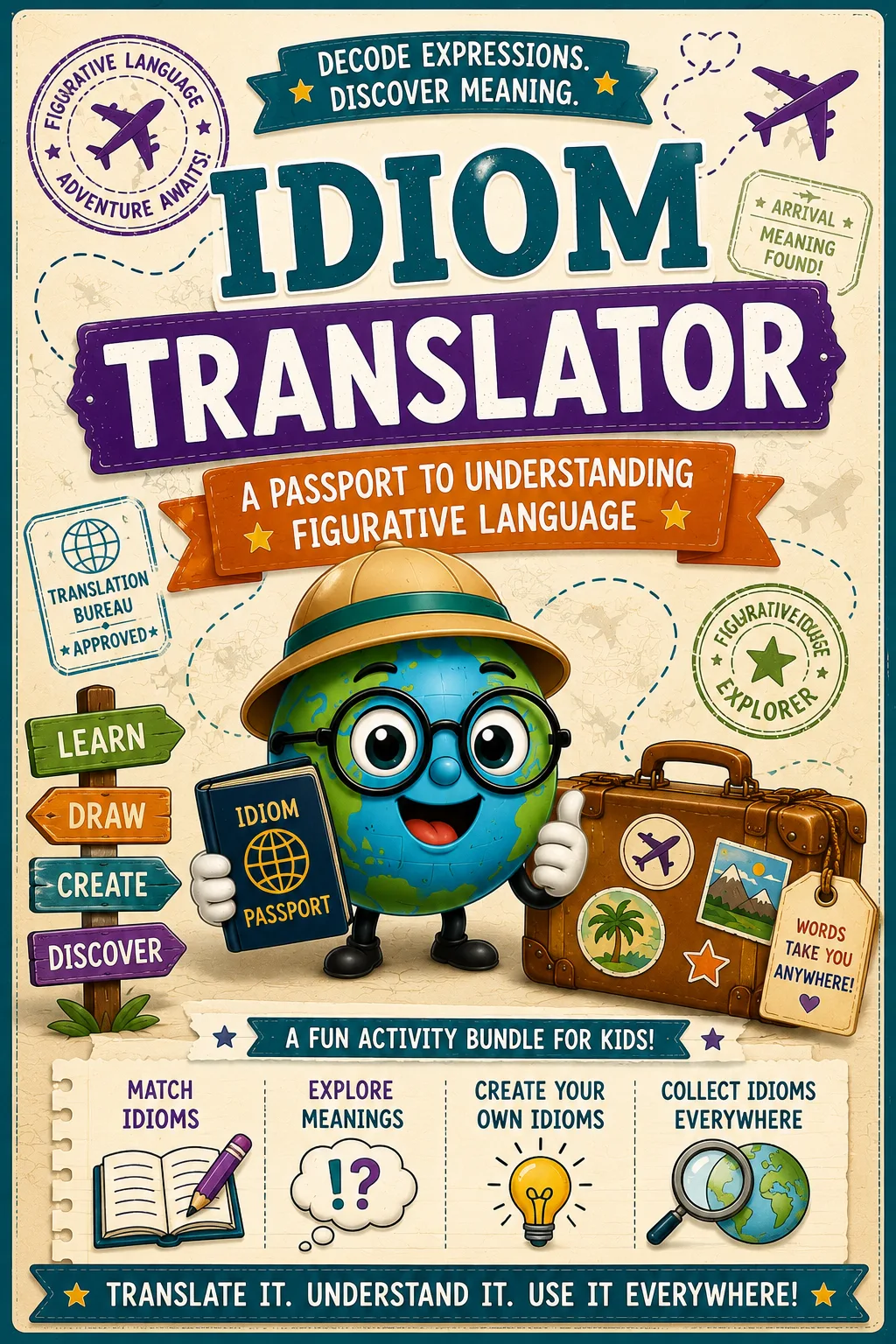
Idiom Translator helps students decode common expressions, understand what they really mean, and discover just how colorful the English language can be.
Grab your passport →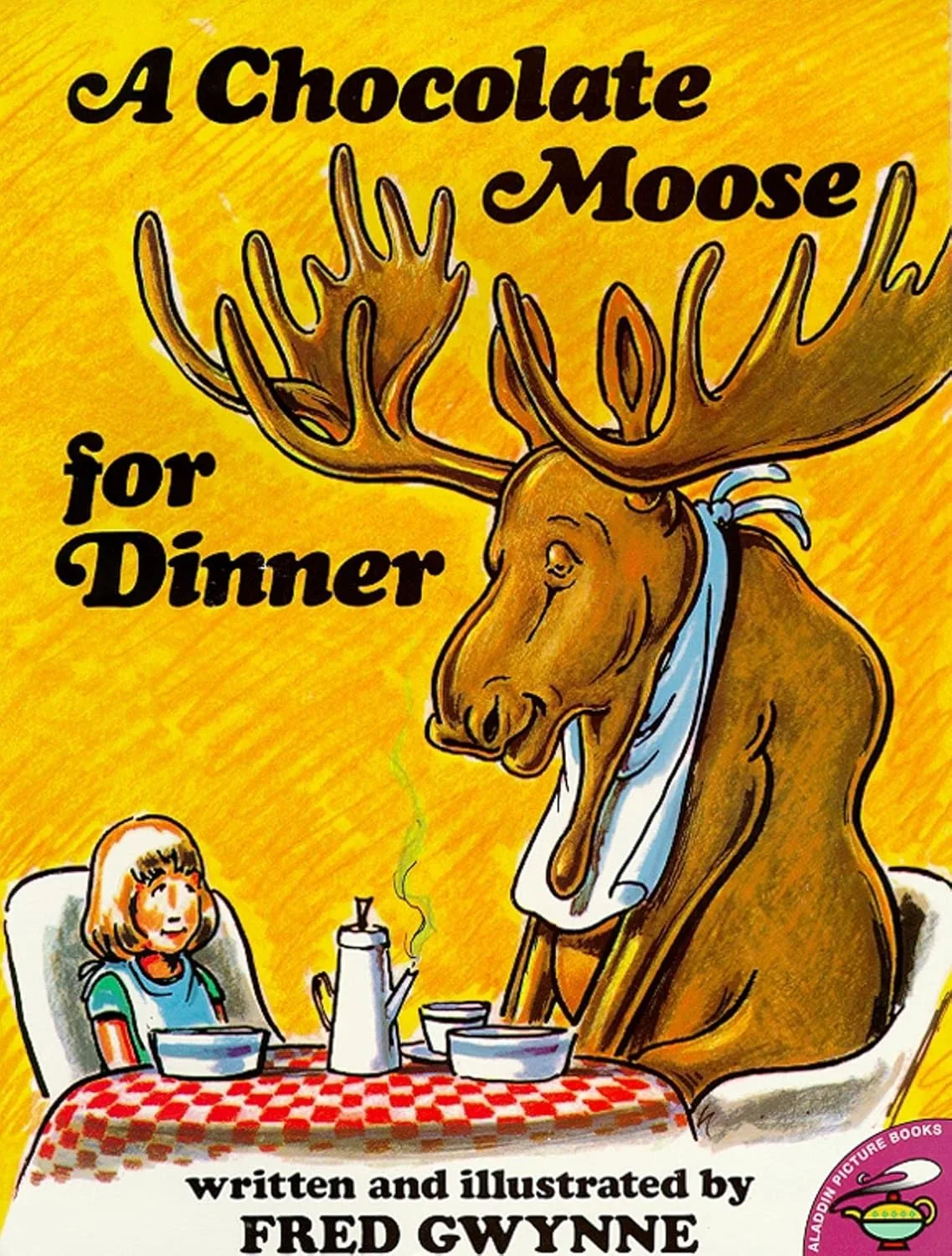
📚 Read It!
Check out our favorite idiom books, including Amelia Bedelia, the unofficial mascot of idioms!
See our favorites →🎭 Poetry & Wordplay
📖 What Is Poetry and Wordplay?
Poetry uses rhythm, rhyme, repetition, and figurative language to express ideas creatively.
💡 Examples
- Rhyming poems
- Tongue twisters
- Limericks
- Silly comparisons
- Creative word combinations
🎲 Try It!
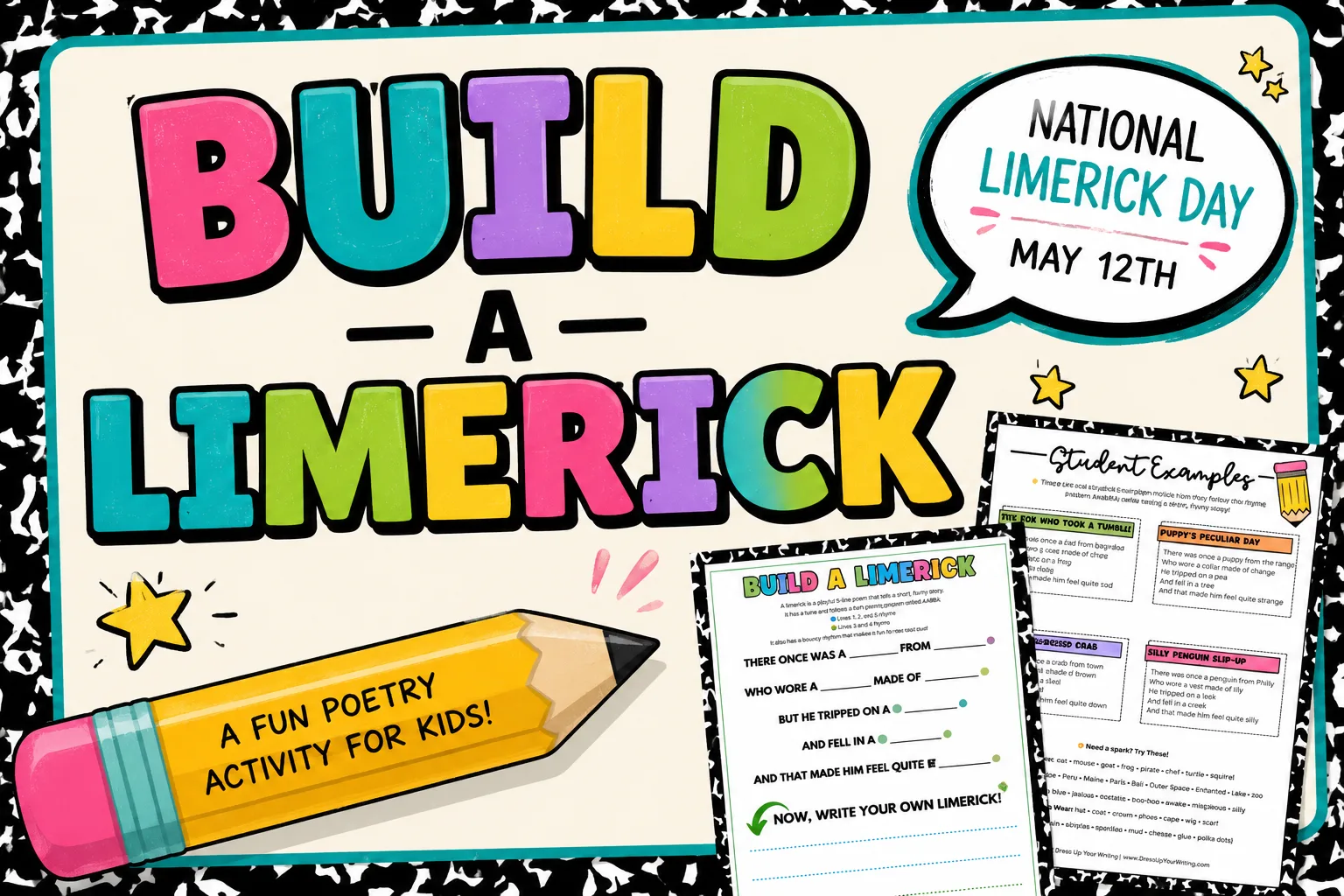
Build a Limerick helps students create playful poems with a guided printable.
Build a Limerick →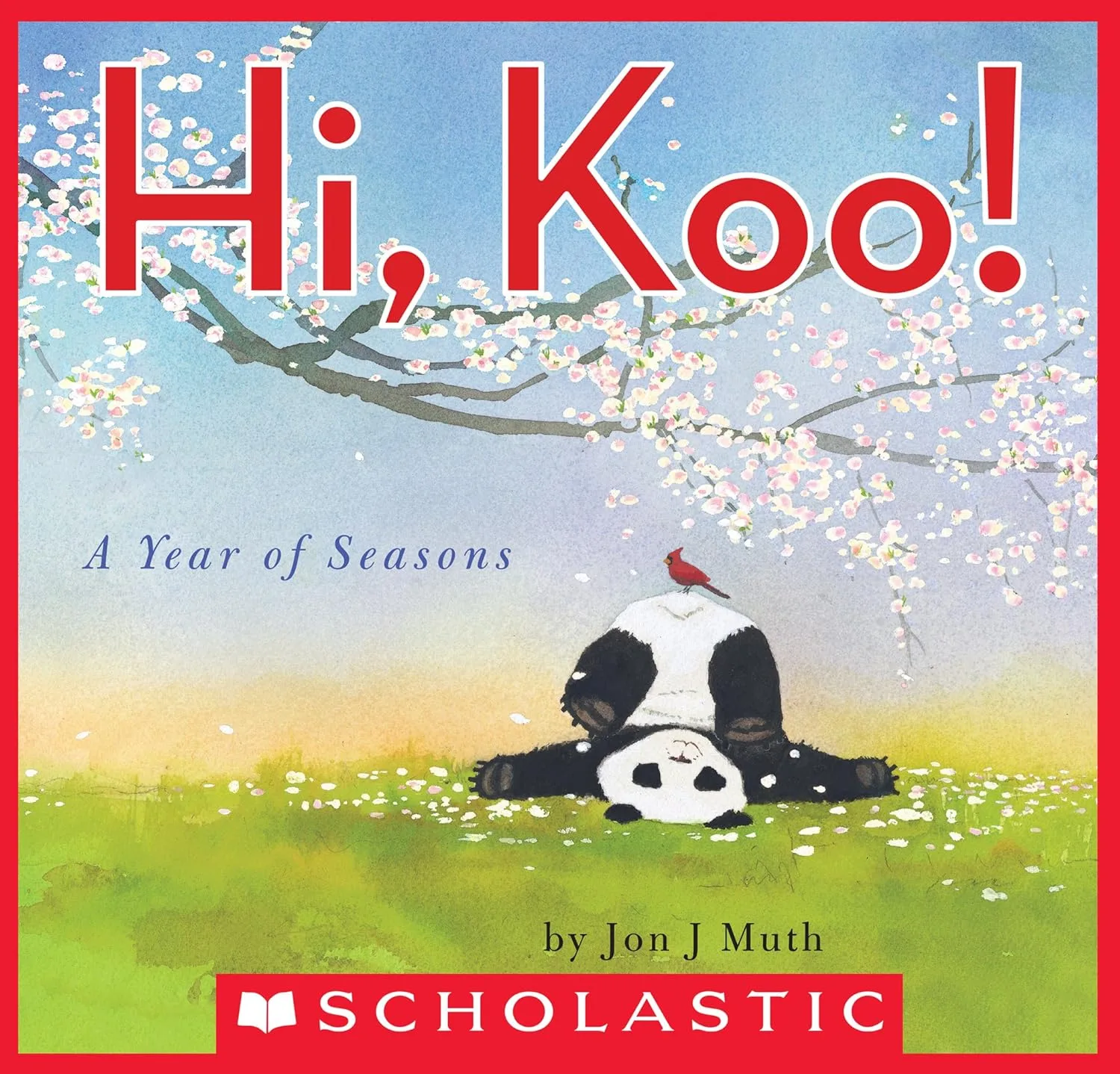
📚 Read It!
Explore poetry collections and notice how poets use figurative language to create imagery and humor.
✨ Why Does Figurative Language Matter?
Figurative language helps writers:
- ✅ Create vivid mental pictures
- ✅ Express feelings and emotions
- ✅ Make writing more memorable
- ✅ Strengthen descriptive writing
- ✅ Develop creativity
- ✅ Engage readers
🎉 Explore More Figurative Language Activities
Ready to keep exploring? Visit the Figurative Language Activities hub for games, printables, book lists, and creative writing ideas.