

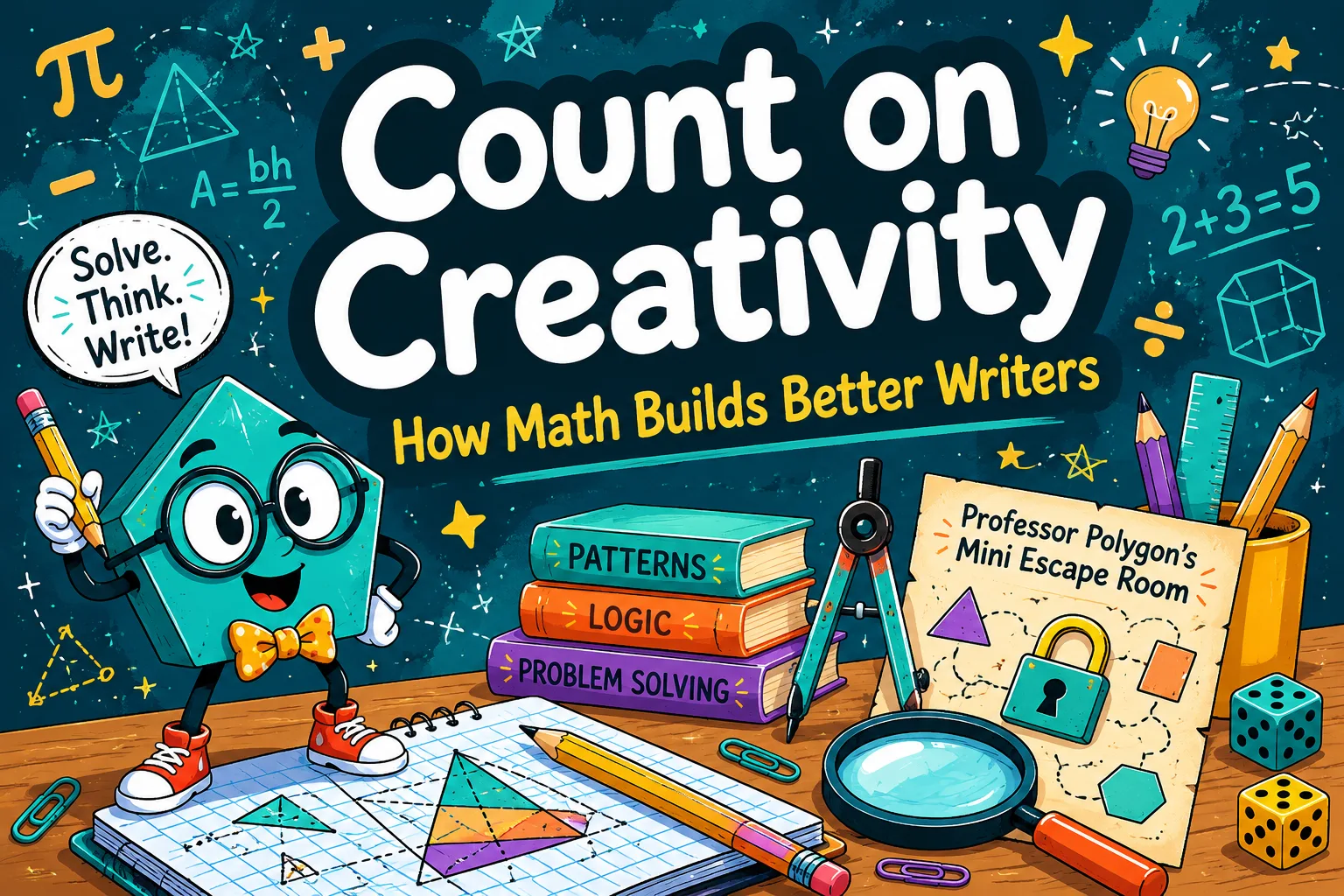
Count on Creativity: How Math Builds Better Writers
Part of our “Subject by Subject: Unlocking Writing Potential” series
There’s a reason many strong writers are also strong problem solvers.
At first glance, math and writing may seem like opposites. One is filled with numbers and formulas, while the other thrives on imagination and words. But when we look a little closer, the connection becomes surprisingly clear: both subjects teach children how to think.
Math strengthens logic, sequencing, precision, and pattern recognition. Writing strengthens communication, creativity, and expression. Together, they help children become clearer thinkers, stronger communicators, and more confident learners.
In our homeschool and co-op experiences, we’ve found that math-rich activities often spark some of the most thoughtful conversations and creative thinking. Whether children are solving puzzles, explaining their reasoning, inventing systems, or working through an escape-room challenge, they’re practicing many of the same skills strong writers use every day.
Why Math Helps Build Strong Writers
🔢 Math Encourages Clear Thinking
Strong writing depends on organized thinking.
When students solve a math problem, they learn to:
- follow steps in sequence
- explain their reasoning
- recognize patterns
- support conclusions with evidence
- pay attention to precision
Those same skills strengthen:
- paragraph organization
- expository writing
- persuasive writing
- procedural writing
- logical storytelling
In many ways, writing is simply “showing your thinking” with words.
🧩 Problem Solving Builds Creative Thinking
Creative writing isn’t only about imagination. It’s also about problem solving.
Writers constantly ask:
- What happens next?
- How can my character solve this?
- What clues should I reveal?
- How do the pieces fit together?
Puzzle solving exercises these same mental muscles.
Logic games, tangrams, escape rooms, coding activities, and brain teasers help students:
- think flexibly
- test ideas
- recognize relationships
- persist through challenges
- approach problems from multiple angles
That kind of thinking often carries beautifully into storytelling and composition.
📏 Math Strengthens Precise Language
Math teaches children that details matter.
There’s a big difference between:
- near and exact
- estimate and measurement
- perimeter and area
- parallel and perpendicular
Using precise mathematical vocabulary helps students become more intentional with language overall.
This precision carries into writing when students:
- choose stronger verbs
- describe accurately
- organize ideas clearly
- explain processes carefully
Even procedural writing (recipes, instructions, experiments, building guides) relies heavily on mathematical thinking.
📚 Word Problems Are Tiny Stories
Many children dislike word problems because they feel like “reading in math.”
But word problems are actually miniature narratives:
- characters
- goals
- obstacles
- information gathering
- solutions
Helping students view math problems as stories can make both subjects feel more connected and approachable.
You can even encourage children to:
- write their own word problems
- invent silly measurement scenarios
- create math mysteries
- design board games with mathematical challenges
These activities combine creativity and logic in such a natural way.
🔺 Featured Activity: Professor Polygon’s Mini Escape Room
One of our favorite ways to combine math, critical thinking, and creativity is through puzzle-style challenges. Our featured activity for this post is:
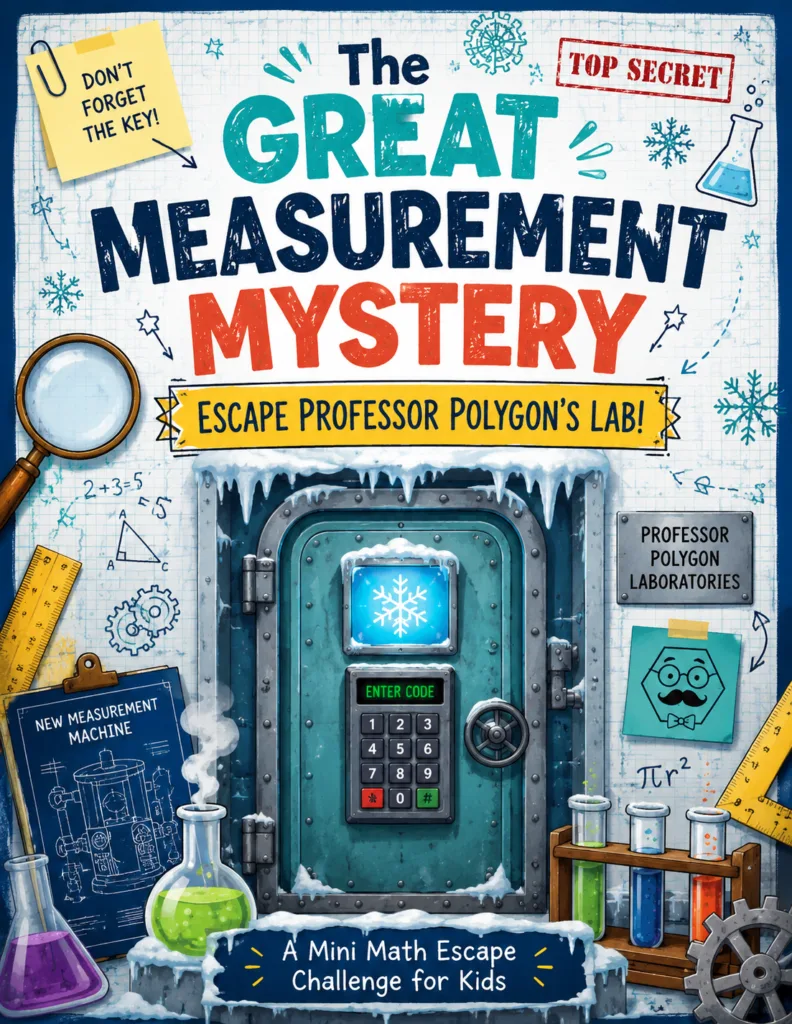
This printable activity encourages students to:
- solve clues
- recognize patterns
- use logic
- think critically
- follow sequences carefully
But the fun doesn’t stop there.
At the end of the challenge, students are invited to complete a creative bonus activity:
✏️ Invent Your Own Unit of Measurement
How long is a “dragon-step”?
How many “marshmallows” tall is your dog?
Could a spaceship measure distance in jellybeans?
This extension turns mathematical thinking into imaginative writing and encourages students to explain and defend their ideas clearly.
It’s the perfect blend of:
- math
- creativity
- writing
- problem solving
- family fun
👉 Download the Professor Polygon Mini Escape Room Challenge Here
📚 Math-Infused Book Picks
One of our favorite ways to make subjects come alive is through great books. These math-themed picks combine storytelling, creativity, puzzles, patterns, and mathematical thinking in memorable ways.
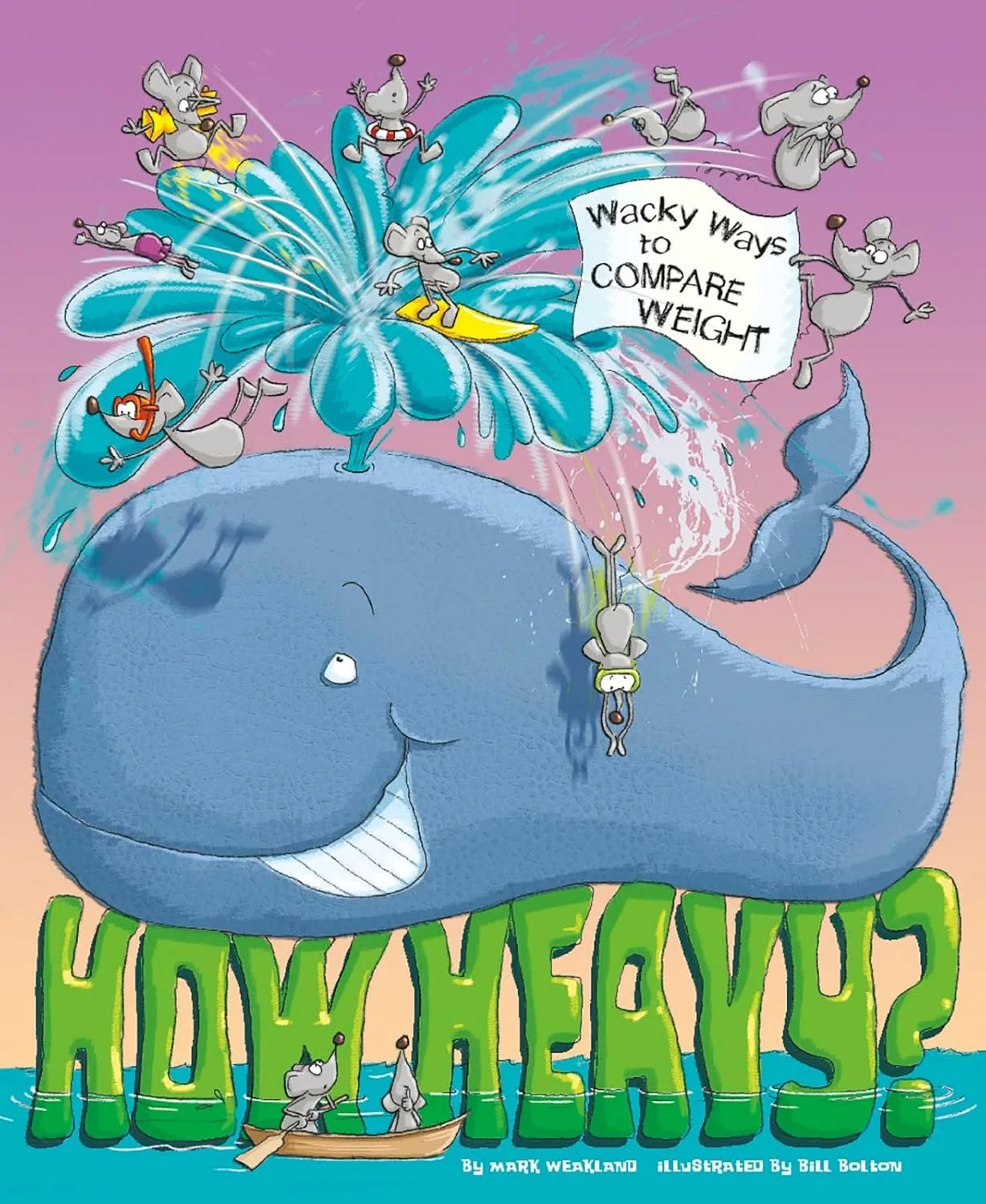
📖 How Heavy? Wacky Ways to Compare Weight by Mark Weakland, illustrated by Bill Bolton
This playful nonfiction book helps children understand weight and measurement through funny comparisons and surprising visuals. It makes abstract math concepts feel concrete, memorable, and fun.
👉 Try this: If your backpack were measured in something silly instead of pounds, what would it be? Pinecones? Pancakes? Puppies? Write a few funny comparison sentences.
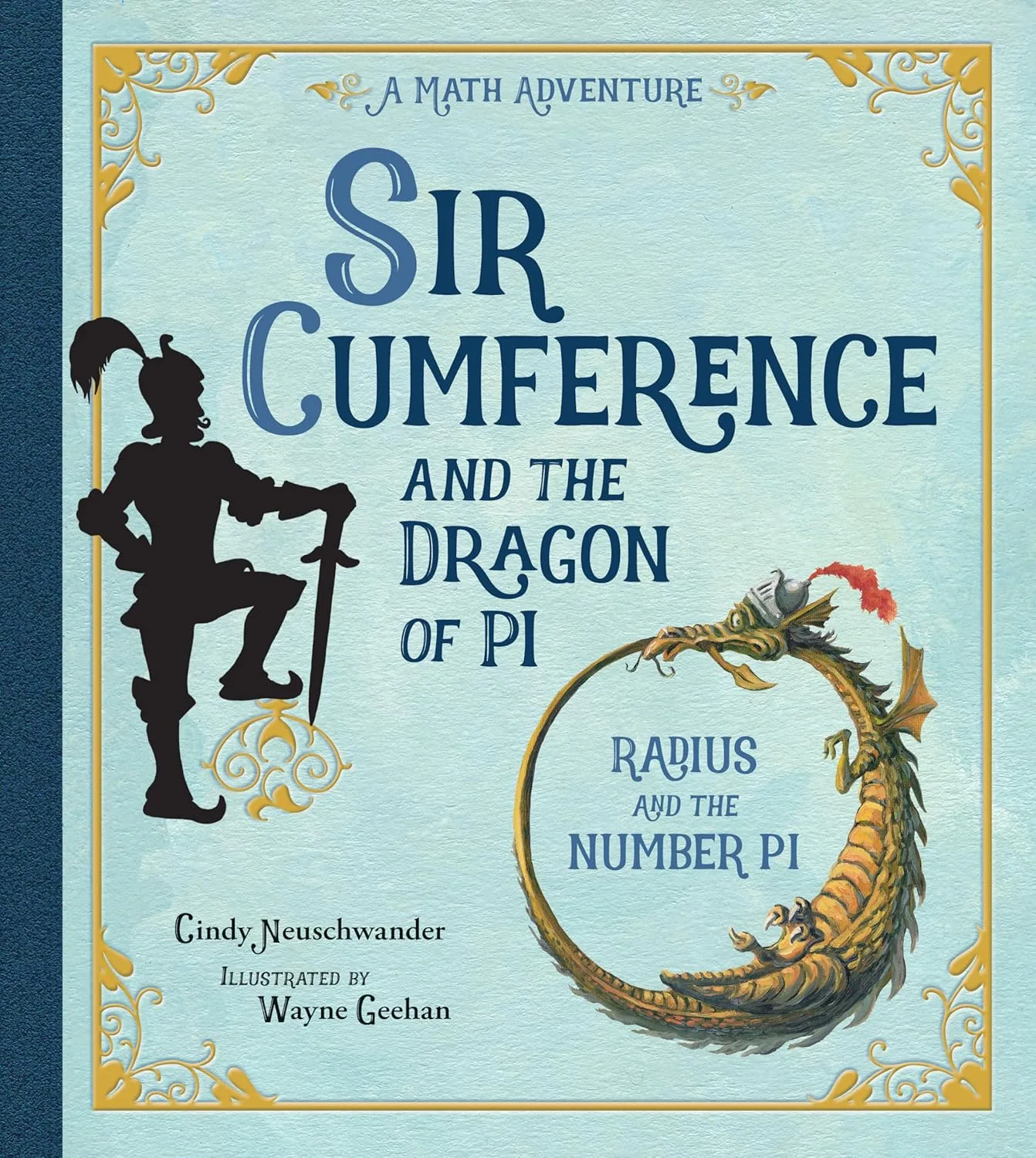
2. Sir Cumference and the Dragon of Pi by Cindy Neuschwander
A clever medieval math adventure introducing circles, radius, diameter, and pi through knights, dragons, and wordplay. This beloved series makes geometry feel like storytelling.
👉 Try this: Invent your own math-themed fantasy character. Could there be a wizard named “Count Calculus” or a dragon named “Polygon”? Describe them in 3–5 sentences.
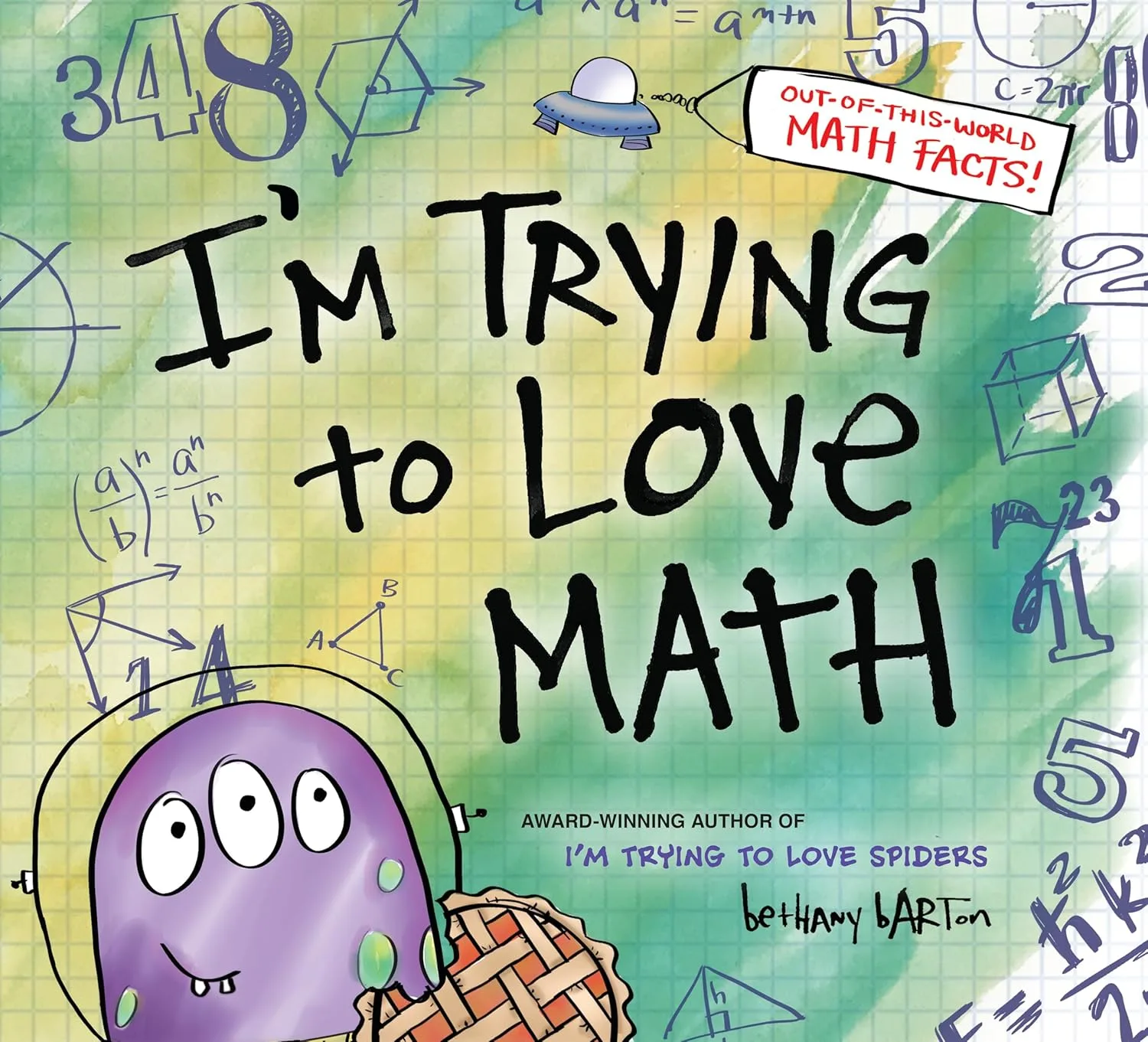
📖 I’m Trying to Love Math by Bethany Barton
This humorous and highly relatable book follows a math-resistant narrator who slowly discovers how math connects to everyday life, creativity, patterns, and even pizza.
👉 Try this: What is one thing you use or enjoy every day that secretly involves math? Write a short paragraph explaining how math hides inside it.
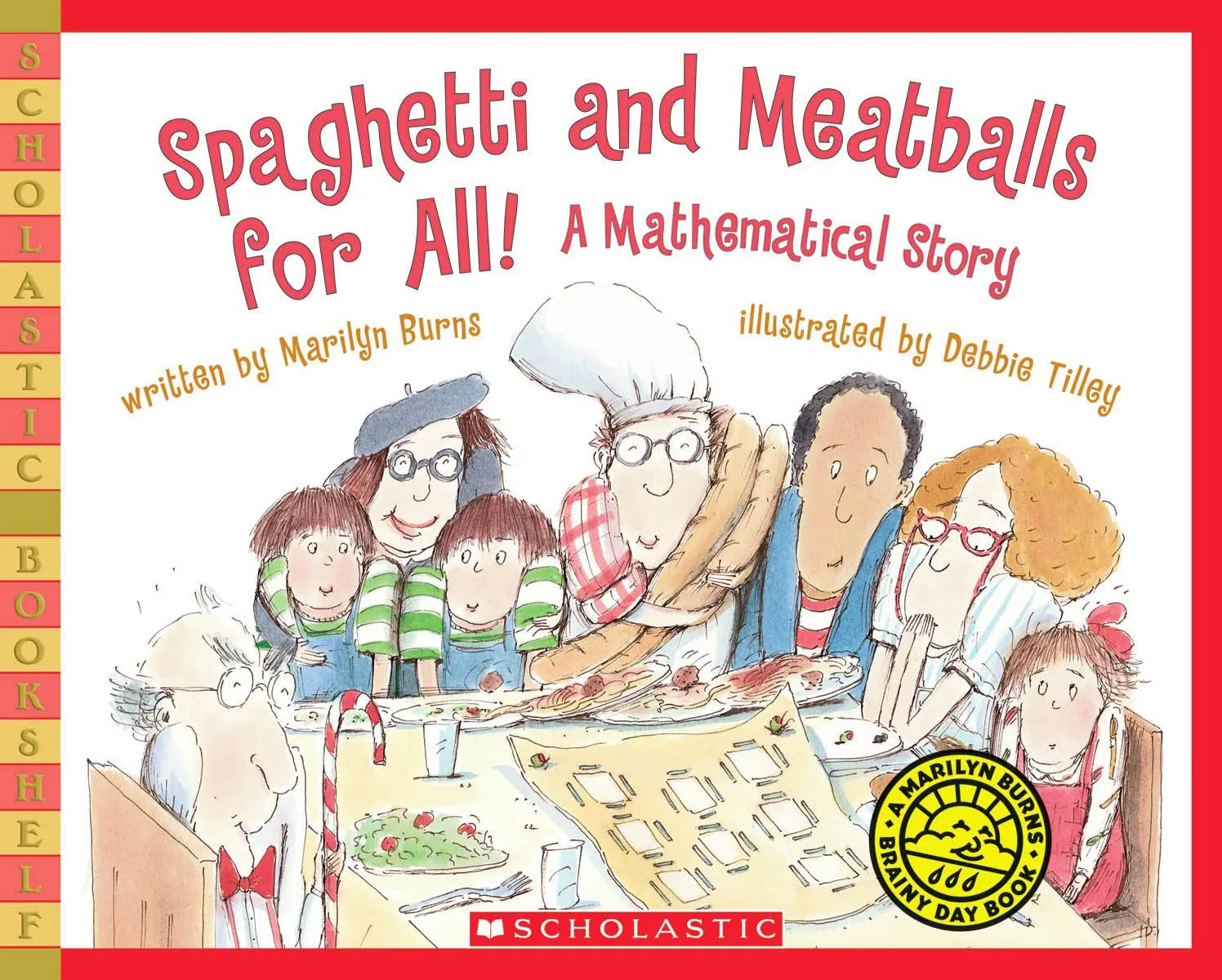
2. Spaghetti and Meatballs for All!
Written by Marilyn Burns, illustrated by Debbie Tilley
A hilarious family dinner turns into a geometry and perimeter puzzle as guests keep rearranging tables and accidentally changing the seating capacity.
👉 Try this: Imagine planning the world’s silliest dinner party. What unusual seating arrangement would you create? Describe the setup and the chaos that follows.
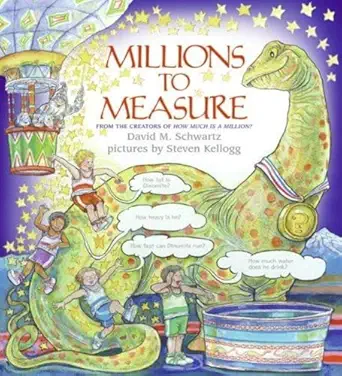
📖 Millions to Measure by David M. Schwartz, illustrated by Steven Kellogg
This engaging introduction to large numbers explores counting, measuring, estimating, and imagining quantities that are difficult to picture in everyday life.
👉 Try this: If you had one million of something, what would you choose? Raindrops? Jellybeans? LEGO bricks? Describe what that gigantic collection would look like.
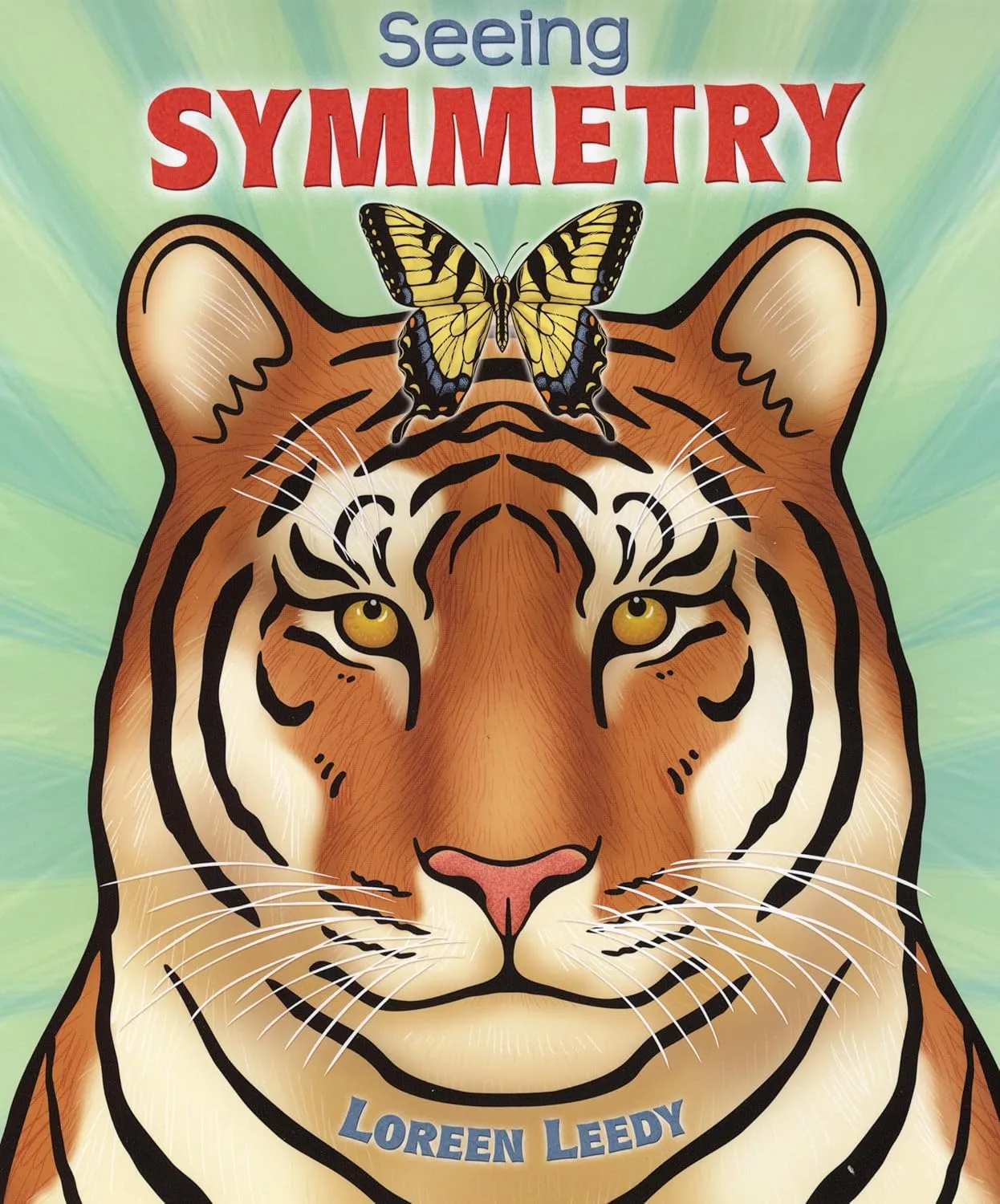
2. Seeing Symmetry by Loreen Leedy
Filled with bright illustrations and real-world examples, this book helps children notice symmetry in nature, buildings, art, and everyday objects.
👉 Try this: Look around your home or outside for examples of symmetry. Choose one object and describe it using as many precise details as possible.
Fun Ways to Combine Math and Writing
Here are a few easy ideas to try at home or in a co-op:
- create your own board game
- invent a new measuring system
- design a math scavenger hunt
- write a story involving patterns or codes
- build a tiny “math mystery”
- explain how to solve a favorite puzzle
- create silly word problems for siblings or friends
- describe a geometric shape as if it were a character
The goal isn’t simply to make math “fun.” It’s to help children see that subjects are connected and that creativity belongs everywhere, even in numbers.
Final Thoughts
Math and writing may use different tools, but both help children learn how to think deeply, communicate clearly, and approach challenges with confidence.
When we invite children to solve puzzles, explain reasoning, invent systems, and play with ideas, we strengthen far more than academic skills. We help them become curious, capable thinkers.
And sometimes, all it takes is one clever puzzle from Professor Polygon to spark that creativity.
Explore More in the Subject by Subject Series


This post is part of our series:
Subject by Subject: Unlocking Writing Potential
Because writing doesn’t only happen during language arts. It grows through every subject children explore. Stay tuned for upcoming posts on art, history, and more!