
πŸŽ‰ National Days Library Books β€’ Writing β€’ Family Fun Explore all days β†’

C.S. Lewis Reading Day

Learning Adventure

Step through the wardrobe and discover stories filled with imagination, adventure, and meaning.

Curated by Laela
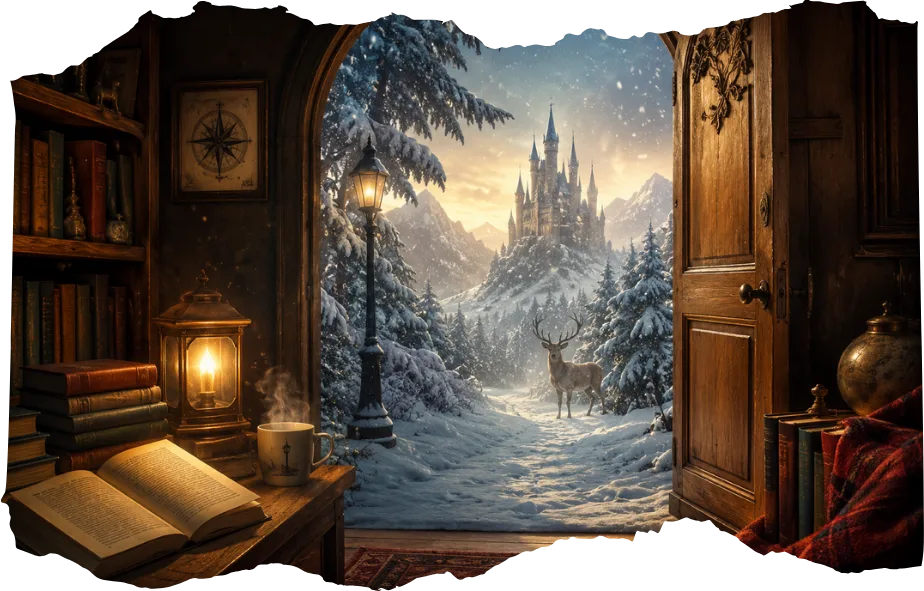
an illustrated style image of a wooden door looking out onto a Narnia inspired snowy world
Further Up!
πŸ“Œ Quick FactsπŸ“… November 29🌍 Celebrated Worldwide πŸŽ‚ Celebrated on Lewis’s birthday
❀️ Why We Celebrate

C. S. Lewis Reading Day invites readers around the world to celebrate the stories and ideas of beloved author C. S. Lewis. Best known by young readers for The Chronicles of Narnia, Lewis created imaginary worlds filled with talking animals, daring adventures, unforgettable characters, and ideas that invite us to look a little deeper.

πŸ’‘ Did You Know?

Long before Narnia became a book, Lewis imagined a faun carrying an umbrella and parcels through a snowy wood. Do you know which Narnian character he became?

✨ Adventure Highlights
✏️ Allegory & Symbolism ✏️ Show, Don’t Tell 🦁 The World of Narnia πŸ“š The Inklings πŸ›οΈ Mythology & Folklore

ο»Ώ
1

Read

πŸ“–

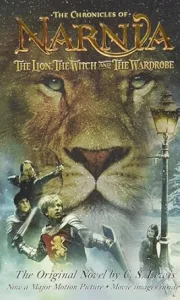
The Lion, the Witch and the Wardrobe

by C. S. Lewis

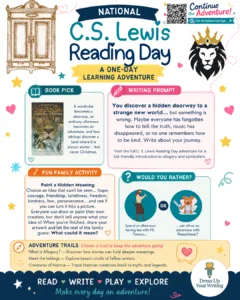
A wardrobe becomes a doorway, an ordinary afternoon becomes an adventure, and four siblings discover a land where it is always winter, but never Christmas.

As you read, look beyond what happens in the story. Lewis filled Narnia with characters, objects, and events that can point readers toward bigger ideas. What might the lion, the endless winter, or even the arrival of spring represent?

Want to make storytime even more memorable? Pair your reading with our Lion, the Witch and the Wardrobe Book & Bite for a simple snack inspired by the story.
πŸ“– View Book
2

Write

✏️
You discover a hidden doorway to a strange new world... but something is wrong. Maybe everyone has forgotten how to tell the truth, music has disappeared, or no one remembers how to be kind. Write about your journey.

Writing Focus: Allegory

An allegory is a story that can be understood on more than one level. Characters, places, objects, or events within the story may represent larger ideas.

Need a Little Inspiration?

Start with the idea you want hiding underneath your story: courage, kindness, honesty, freedom, hope, friendship, greed, fear, or something else. Then imagine how you could turn that idea into a place, character, rule, or problem. A kingdom without sunlight might represent hopelessness. A locked garden might represent something precious that has been forgotten. Your reader can enjoy the adventure and wonder what else it might mean.

3

Family Fun

πŸŽ‰
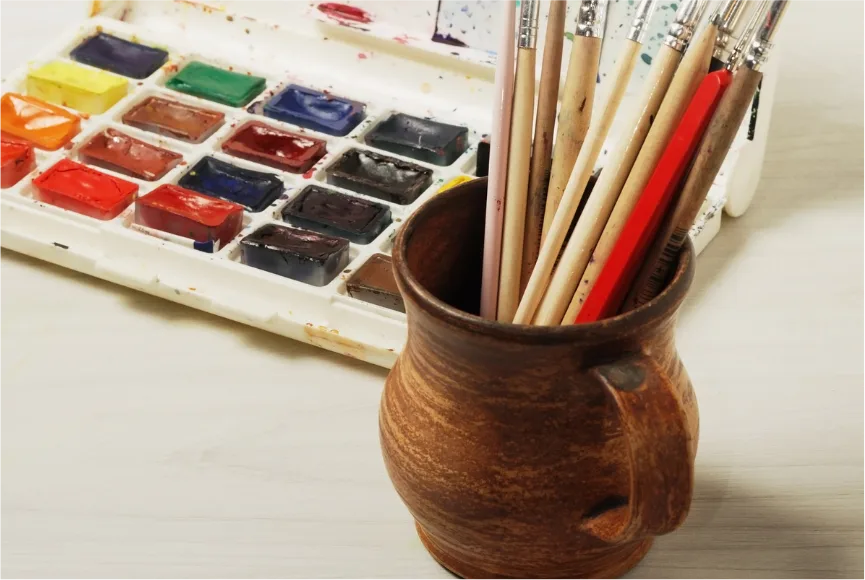
watercolor paint palette and watercolor brushes in a pottery mug

Paint a Hidden Meaning

Choose an idea that can’t be seen… hope, courage, friendship, loneliness, freedom, kindness, fear, perseverance… and see if you can turn it into a picture.

Everyone can draw or paint their own creation, but don’t tell anyone what your idea is! When you’re finished, share your artwork and let the rest of the family guess:

What could it mean?

Maybe hope looks like a tiny candle glowing in a dark forest. Freedom could be a bird flying from an open cage. Courage might be a small boat facing an enormous wave.

There isn’t one correct way to represent an idea. Compare everyone’s interpretations and notice how color, objects, weather, light, size, and other artistic choices can communicate meaning without using any words.

πŸ’œ Resources We Love Β· Some links are affiliate links that support DUYW at no extra cost to you.
🌎 Adventure Trails πŸ“Œ Open the World Explorer Map

Every adventure has another path to follow. Choose a trail and see where your curiosity leads!

Literature Trail: What Is Allegory?

Some stories can be enjoyed as adventures while also pointing toward a bigger idea. In an allegory, characters, places, or events may represent something beyond the story itself. Symbolism works in a similar way when an object, character, color, or place suggests a deeper meaning.

Think about stories you may already know. In The Tortoise and the Hare, the race can represent the value of patience and perseverance. In The Boy Who Cried Wolf, the repeated false alarms point toward the importance of honesty and trust. Even familiar objects can become symbols… a light might suggest hope, while a locked door might suggest something hidden or forbidden.

Wonder Challenge:
Choose a familiar fairy tale, fable, or story you already know. Look for one character, object, place, or event that might represent a bigger idea. What do you think it could mean?

Literature Trail: Meet the Inklings

C. S. Lewis didn’t write in isolation. He belonged to a group of writers and thinkers known as the Inklings, who gathered in Oxford to talk about books, share ideas, and sometimes read their unfinished work aloud.

One of the best-known members was J. R. R. Tolkien, author of The Hobbit and The Lord of the Rings. Other members included writers such as Charles Williams and Owen Barfield.

Wonder Challenge:
Pick one Inkling besides C. S. Lewis and discover one book they wrote or one idea they were known for. If you choose Tolkien, continue the adventure with our Hobbit Day Learning Adventure and see where Middle-earth takes you next.

Mythology Trail: Creatures of Narnia

Lewis filled Narnia with creatures drawn from ancient mythology and folklore. Fauns, centaurs, giants, dwarfs, and talking animals all appear somewhere in the world of Narnia, but many of those creatures had stories long before Lewis used them.

A faun, for example, comes from Roman mythology. Centaurs appear in ancient Greek stories, while giants appear in legends and stories from many cultures. One of the most famous is Goliath, the giant warrior from the Bible story of David and Goliath.

Wonder Challenge:
Choose a faun, centaur, giant, dwarf, or another Narnian creature and look up its earlier myth or legend. Then compare: What did Lewis keep the same, and what did he change?

Would you rather...

OR

Print & Plan

Printable Lesson Snapshot

Keep today’s book pick, writing prompt, family activity, and discussion ideas together in one colorful overview.

View & Print This Adventure Perfect for homeschool or classroom planning.

πŸ«–Share Your Spark!

Today’s conversation: What’s your favorite C. S. Lewis book?

πŸ’¬οΈ
Family Friendly

Every comment is reviewed before it's published.

β™₯

Be kind. Be helpful.
Be inspiring! πŸ’›

Add Your Spark

Your comment will appear after it has been reviewed.

πŸ«–
Laela DUYW Team August 21, 2026

My all-time favorite is The Magician’s Nephew… but I think it’s so important to read The Lion, the Witch and the Wardrobe first! There’s something so delightful about the magic and wonder of that first journey through the wardrobe, then later connecting the dots and learning how everything came to be!

Keep Exploring