



๐ŸŽ‰ National Days Library Books โ€ข Writing โ€ข Family Fun Explore all days โ†’

Appreciate a Dragon Day

Learning Adventure

Celebrate legendary creatures, fantastic books, and dragons imagined in a thousand ways.

Curated by Laela
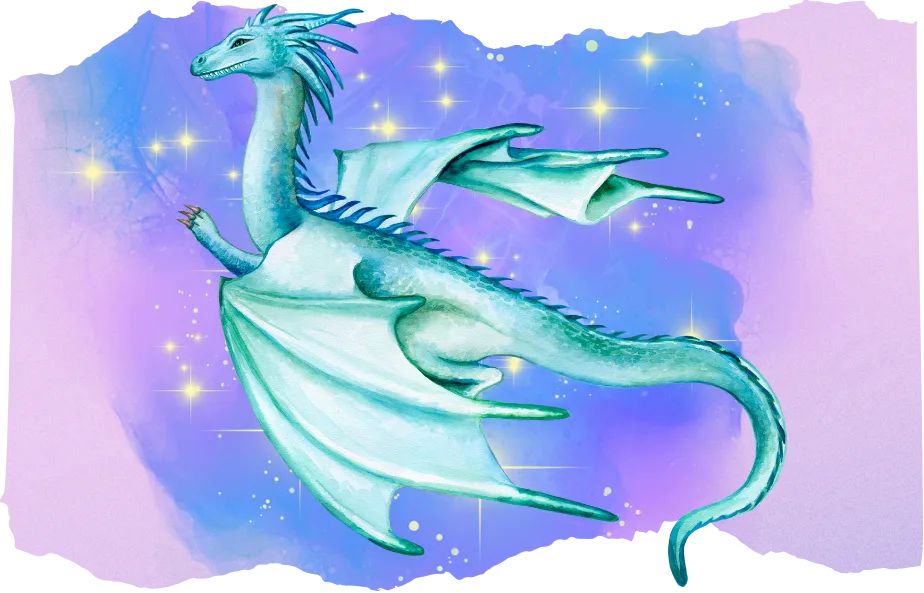
a light green illustrated style winged dragon on a purple and blue starry background
Here Be Dragons!
๐Ÿ“Œ Quick Facts๐Ÿ“… January 16๐Ÿ‡บ๐Ÿ‡ธ Celebrated in the US ๐Ÿ‰ Created in 2004
โค๏ธ Why We Celebrate

Dragons have guarded treasure, controlled rain, battled heroes, befriended children, and soared through stories for centuries. Today is an invitation to meet dragons from different traditions, invent one of your own, and discover how dramatically these legendary creatures can change depending on who is telling the tale.

๐Ÿ’ก Did You Know?

๐Ÿ‰ Not every legendary dragon breathes fire. In traditional Chinese culture, dragons have long been associated with water, clouds, and life-giving rain.

โœจ Adventure Highlights
โœ๏ธ Worldbuilding ๐Ÿฒ Dragons Around the World ๐Ÿ“– Dragons in Literature ๐ŸฆŽ Real-Life Dragons

๏ปฟ
1

Read

๐Ÿ“–

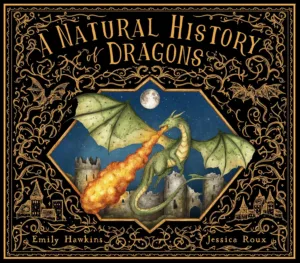
A Natural History of Dragons

by Emily Hawkins

Presented as an old-fashioned handbook for young dragon riders, A Natural History of Dragons treats imaginary dragons almost as if they were real animals waiting to be studied. Readers explore dragons from around the world along with their supposed anatomy, habitats, behaviors, life cycles, and legends.
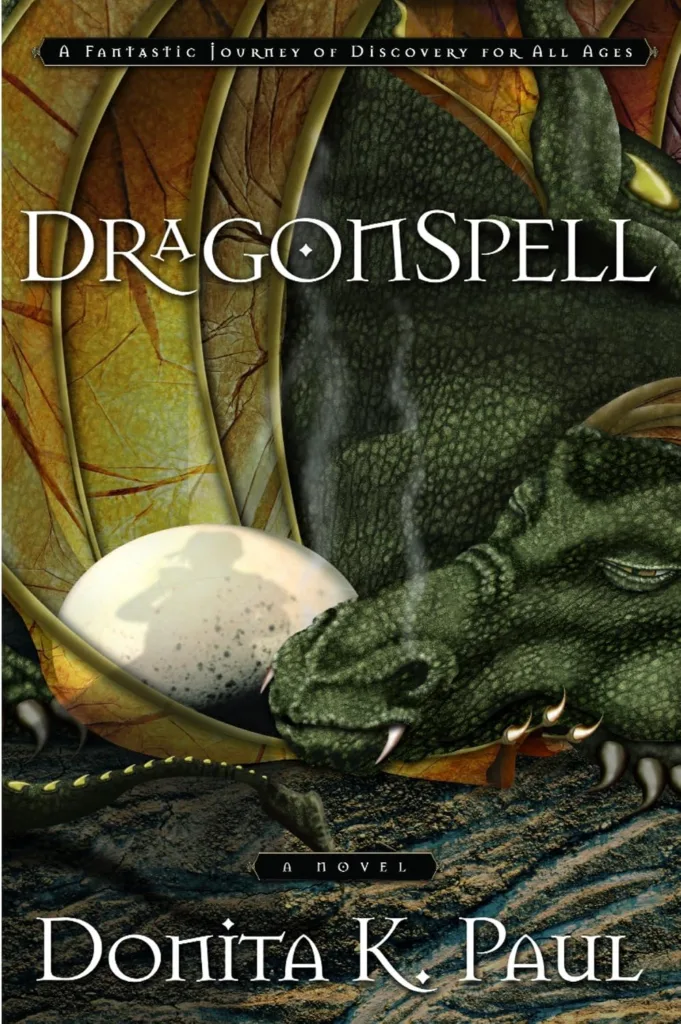
 

Book cover of Dragonspell

DragonSpell

by Donita K. Paul

Appreciate a Dragon Day was created by author Donita K. Paul in 2004 around the release of DragonSpell, the first book in her DragonKeeper Chronicles. In this Christian fantasy adventure, fourteen-year-old Kale discovers a dragon egg and is swept into a quest involving dragons, wizards, danger, and a much larger purpose than she expected.

Best for older readers: DragonSpell is generally recommended for ages 12 and up, making it a good extension for older siblings or strong middle-grade fantasy readers.
๐Ÿ“– View Book
2

Write

โœ๏ธ
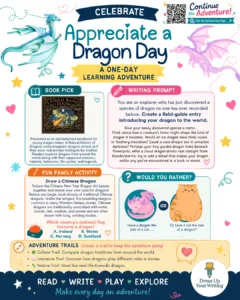
You are an explorer who has just discovered a species of dragon no one has ever recorded before.Create a field-guide entry introducing your dragon to the world.

Need ideas?

Describe where it lives, what it looks like, what unusual ability it has, and one behavior that surprised you when you observed it.

Give your newly discovered species a name.

Think about how a creature’s home might shape the kind of dragon it becomes. Would an ice dragon have thick scales or feathery insulation? Could a cave dragon see in complete darkness? Perhaps your tiny garden dragon hides beneath flowerpots, while a cloud dragon drinks rain straight from thunderstorms.

Try to add a detail that makes your dragon unlike any you’ve encountered in a book or movie.

3

Family Fun

๐ŸŽ‰

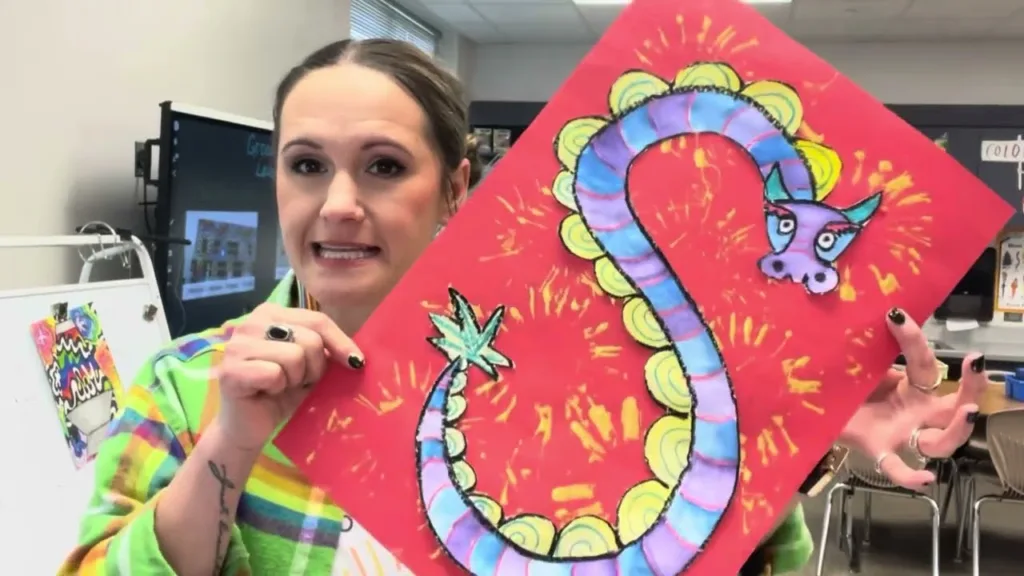
Draw a Chinese Dragon

Follow the Chinese New Year Dragon Art Lesson together and create your own colorful dragons.

Before you begin, look closely at traditional Chinese dragons. Unlike the winged, fire-breathing dragons common in many Western fantasy stories, Chinese dragons are traditionally associated with water, clouds, rain, wisdom, and power and are often shown with long, winding bodies.

As everyone draws, compare the details you notice. What features make this dragon immediately recognizable? Which details would you keep if you designed your own?


๐Ÿ’œ Resources We Love ยท Some links are affiliate links that support DUYW at no extra cost to you.
๐ŸŒŽ Adventure Trails

Every adventure has another path to follow. Choose a trail and see where your curiosity leads!

Culture Trail: Dragons of China

Chinese dragons are very different from many dragons found in European legends. In Chinese art and tradition, dragons have long been connected with water and rain and have also symbolized power and imperial authority.

Wonder Challenge:
Explore the Smithsonian’s Eleven Dragons scroll. What animal features can you spot in the dragons, and how do they compare with the dragons you usually picture?

Literature Trail: Not All Dragons Are Alike

Dragons can look and behave very differently depending on the story. Smaug in The Hobbit is a winged, fire-breathing treasure guardian. Toothless in How to Train Your Dragon is a flying dragon who becomes a loyal companion. Sisu in Raya and the Last Dragon has a long, flowing body and is connected to Southeast Asian dragon traditions.

Wonder Challenge:
Look closely at pictures of these three dragons. Which features do they share with traditional European dragons: wings, four legs, scales, horns, fire, or treasure? Which dragon breaks the pattern the most?

Nature Trail: Meet a Real Dragon

Dragons may belong to legend, but Komodo dragons are very real. These giant reptiles are the largest and heaviest lizards on Earth, and wild Komodo dragons live only on islands in ๐Ÿ‡ฎ๐Ÿ‡ฉ Indonesia.

Wonder Challenge:
Explore National Geographic Kids’ Komodo dragon page. Which real Komodo dragon feature would you borrow if you were designing a believable fantasy dragon?

Would you rather...

OR

Print & Plan

Printable Lesson Snapshot

Keep todayโ€™s book pick, writing prompt, family activity, and discussion ideas together in one colorful overview.

View & Print This Adventure Perfect for homeschool or classroom planning.

๐Ÿ‰Share Your Spark!

Todayโ€™s conversation: Who is your favorite dragon from literature, and what makes that dragon memorable?

๐Ÿ’ฌ๏ธ
Family Friendly

Every comment is reviewed before it's published.

โ™ฅ

Be kind. Be helpful.
Be inspiring! ๐Ÿ’›

Add Your Spark

Your comment will appear after it has been reviewed.

๐Ÿ’› Be the first to share your spark!

Keep Exploring

This dragon-themed homeschool mini unit study for grades 2โ€“6 combines creative writing with Chinese dragon traditions, famous dragons in literature, real-life Komodo dragons, a featured book, and family fun.