


🧠 National Grammar Day Activities for Kids (Fun, Low-Prep Ideas That Actually Work)
Looking for meaningful ways to celebrate National Grammar Day with kids?
Whether you’re teaching in a classroom, leading a homeschool co-op, or adding a little word play to your day, March 4 is the perfect excuse to strengthen writing skills in fun, low-pressure ways.
Grammar doesn’t have to mean worksheets and red pens. It can mean games, laughter, creativity, and stronger sentences.
Here are simple, engaging National Grammar Day activities for elementary and middle school students — plus interactive tools to make grammar practice feel less like a chore and more like a challenge.
✏️ Why Celebrate National Grammar Day?
National Grammar Day gives students a reason to slow down and notice how language works.
Instead of correcting mistakes after the fact, we can help kids:
- Build awareness of parts of speech
- Strengthen sentence structure
- Upgrade weak verbs and vague adjectives
- Play with punctuation
- Gain confidence in revision
Grammar isn’t about perfection. It’s about clarity.
And clarity makes writing powerful.
🎭 1. Parts of Speech Charades
A fast, high-energy warm-up.
Write parts of speech on small slips of paper:
- noun
- verb
- adjective
- adverb
- preposition
- conjunction
Students draw one and act it out. The group guesses both the word and the part of speech.
This works beautifully for:
- Co-op groups
- Mixed ages
- Reluctant learners
✨ 2. Sloppy to Strong Sentence Makeover
Write a deliberately “sloppy” sentence on the board:
The dog went fast down the street.
Then revise it together:
- Replace weak verbs
- Add descriptive details
- Improve clarity
- Adjust punctuation
Example revision:
The muddy terrier sprinted wildly down the crowded street.
💡 Want extra support? Run the sentence through the Grammar Bot tool to identify parts of speech together.
📚 3. Read a Book
Celebrate National Grammar Day with a read-aloud! These grammar-themed books make language playful, memorable, and surprisingly fun.
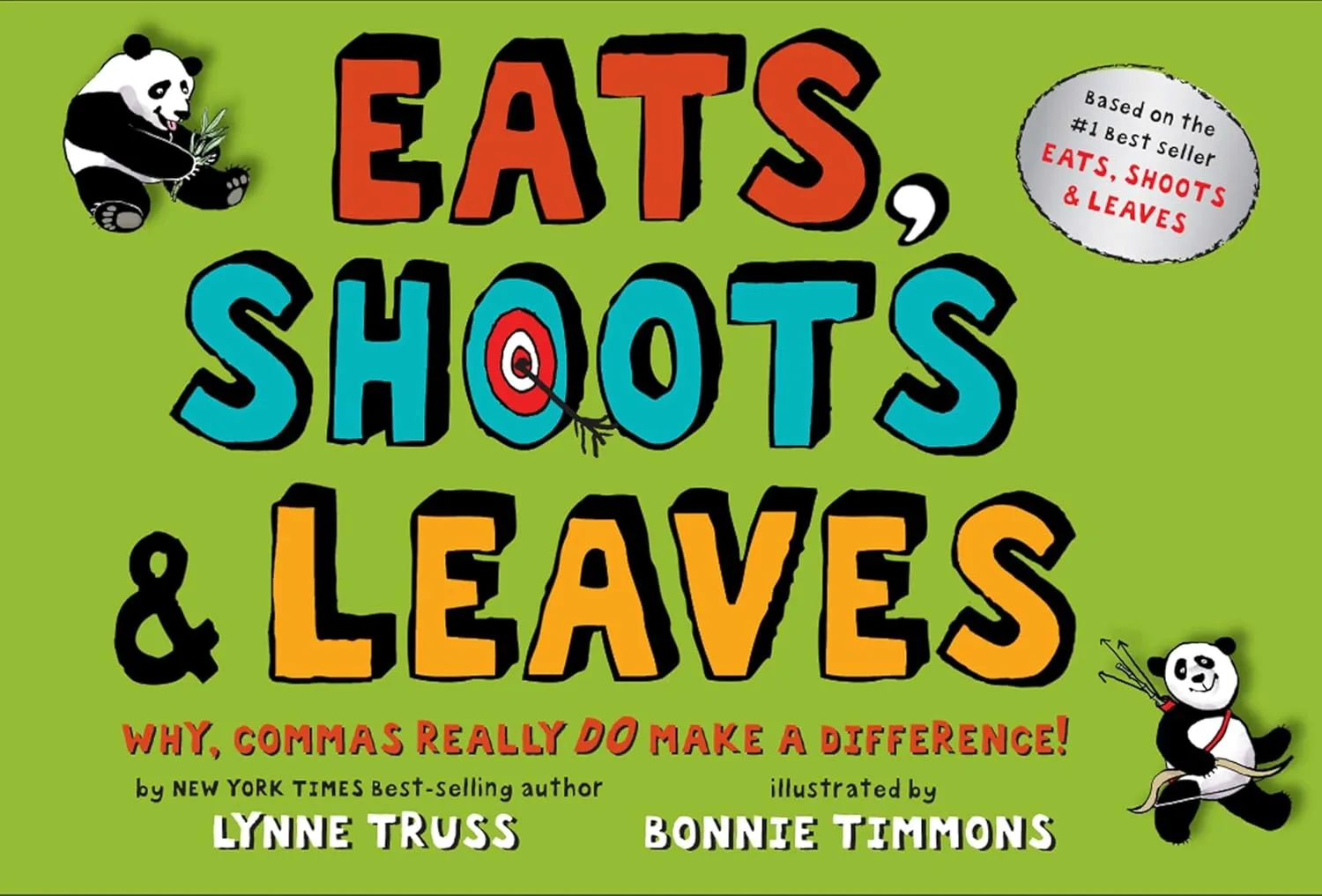
1️⃣ Eats, Shoots & Leaves by Lynne Truss
A humorous introduction to punctuation that shows how a single comma can completely change meaning. Perfect for upper elementary and middle school students.
Find it on Amazon
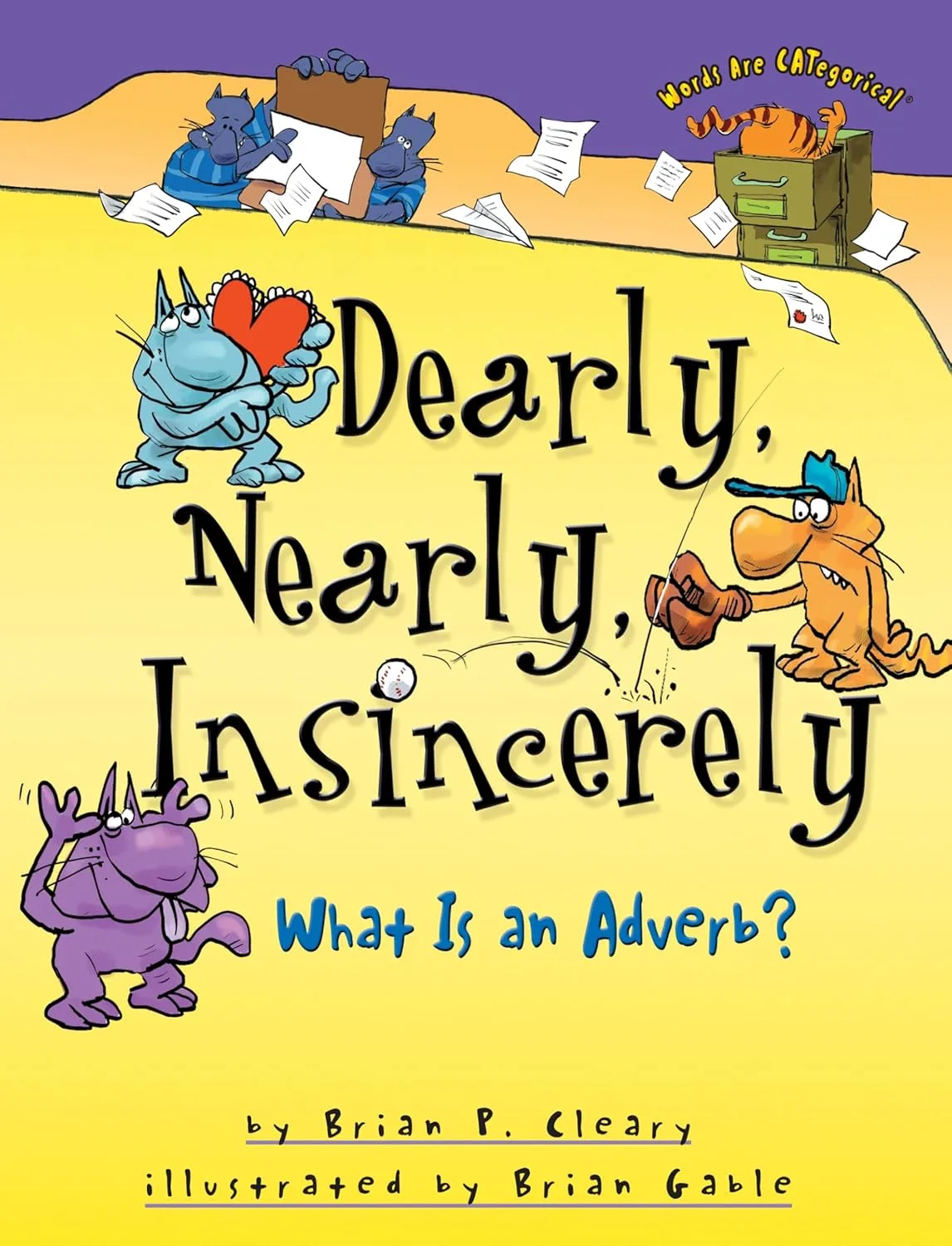
2️⃣ Dearly, Nearly, Insincerely: What Is an Adverb? by Brian P. Cleary
Bright, silly, and easy to understand, this book introduces adverbs through rhyme and playful examples. A great choice for younger students learning parts of speech.
Find it on amazon
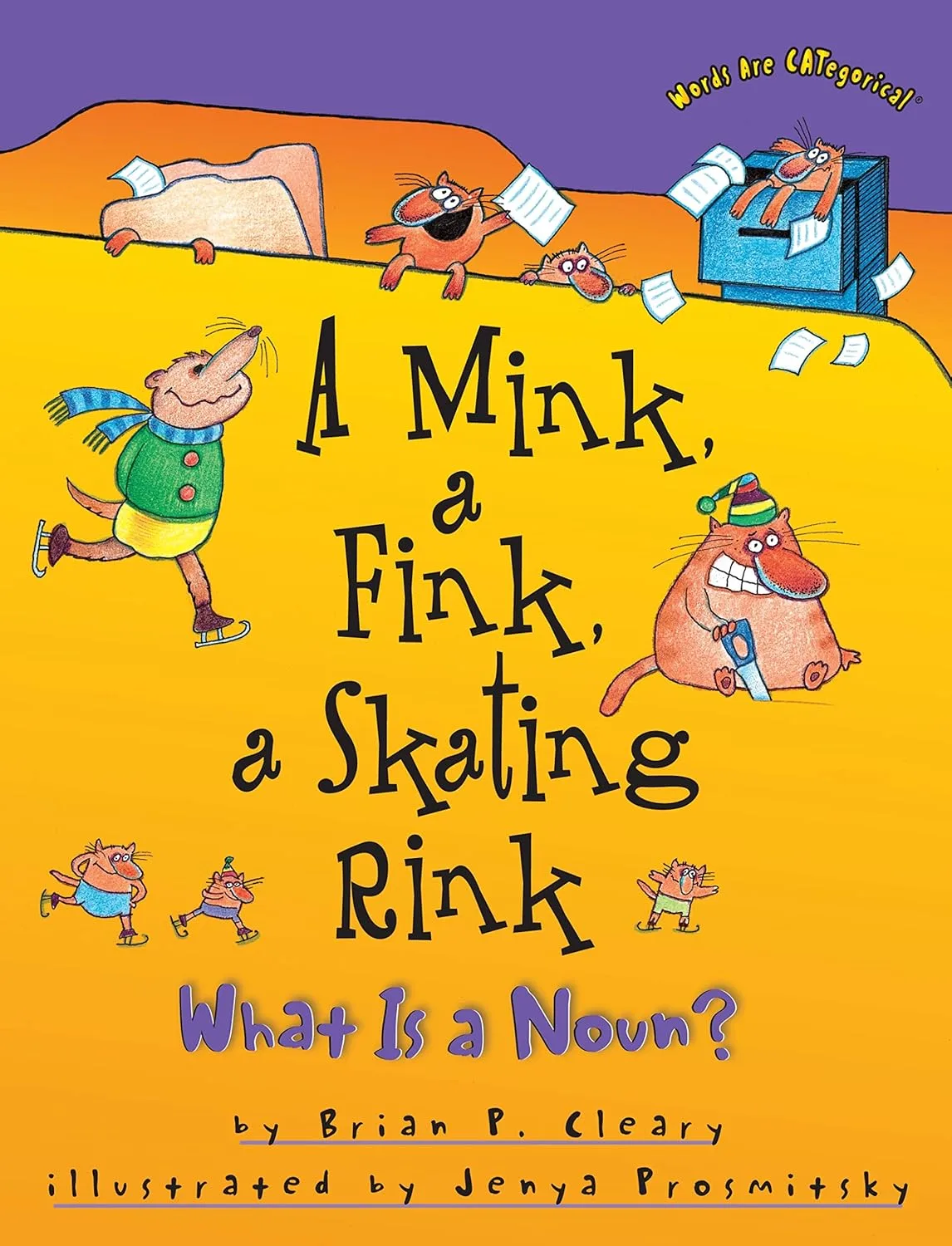
3️⃣ A Mink, a Fink, a Skating Rink: What Is a Noun? by Brian P. Cleary
This lively read-aloud makes nouns unforgettable. The rhythm and illustrations help students recognize people, places, and things with confidence.
Find it on amazon
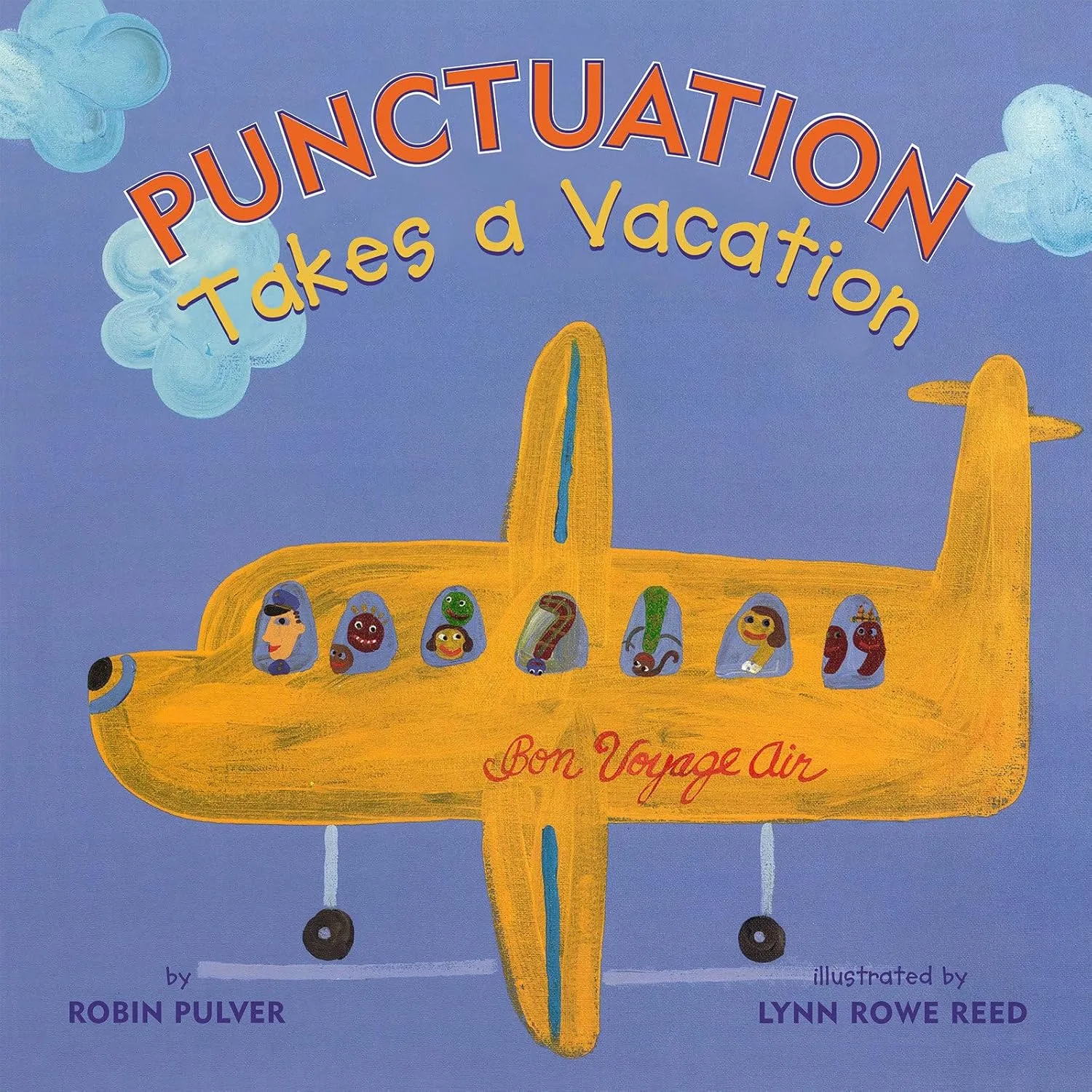
4️⃣ Punctuation Takes a Vacation by Robin Pulver
What happens when punctuation marks disappear? Chaos. This humorous classroom story clearly demonstrates why grammar rules matter.
Find it on amazon
🔍 3. Grammar Detective
Read a short paragraph aloud with intentional errors:
- missing capitals
- incorrect punctuation
- subject-verb disagreement
- misplaced modifiers
Students listen carefully and raise their hands when they spot something suspicious.
This builds editing awareness without overwhelming them with red ink.
🚀 4. Verb Upgrade Challenge
Give students a list of overused verbs:
- went
- said
- made
- got
- looked
Challenge them to replace each one with three stronger alternatives.
To make this even easier (and more fun), try the Verb Replacer tool to generate fresh word choices instantly.
This activity strengthens vocabulary and sentence variety in minutes.
⏱️ 5. The 10-Minute Grammar Sprint
Set a timer.
Students write continuously for ten minutes. When time is up, they must:
- Circle all verbs
- Underline adjectives
- Highlight prepositional phrases
If students are typing, our Grammar Bot makes this interactive and immediate.
It turns abstract grammar into something visible.
✏️ 6. Punctuation Changes Meaning
Write this sentence on the board:
Let’s eat Grandma.
Then change it:
Let’s eat, Grandma.
Discuss how punctuation changes meaning.
For older students, explore:
- Commas in compound sentences
- Quotation punctuation
- Apostrophe misuse
This activity is quick but memorable.
🔄 7. One Word, Multiple Ways
Choose a single word and challenge students to use it as:
- A noun
- A verb
- An adjective
Example: light
Students quickly discover how grammar shifts meaning depending on usage.
It’s simple — and surprisingly powerful.
💻 Make Grammar Day Interactive
If you want to go beyond paper and pencil, try:
- 🤖 Grammar Bot (identify parts of speech instantly)
- 🔁 Verb Replacer (upgrade weak verbs)
Grammar sticks when students can see how it improves their writing in real time.
🌱 National Grammar Day Works Best When It’s Low Pressure
The goal isn’t flawless writing.
It’s awareness.
It’s growth.
It’s giving students the tools to notice patterns, make stronger choices, and feel more confident editing their own work.
Pick one activity… or try several throughout the day.
A little focused attention on grammar can lead to much stronger writing all year long.
📚 Looking for More Writing Ideas?
If you’re planning ahead for the rest of March, don’t miss our March National Days: Grow Your Words post filled with writing prompts, book picks, and family fun ideas.
You might also enjoy:
- Quick Grammar Warm-Up Games
- The Five-Senses Writing Immersion (perfect for spring!)
Let’s grow stronger sentences together. 🌱